Saving on hot water
Does a Heat Pump Water Heater Make Sense in South Georgia?
If your electric water heater is getting old, someone has probably mentioned a heat pump water heater. It costs more up front but uses far less electricity, and in a hot, humid place like Valdosta it does something extra. It cools and dries the garage while it works. It isn't right for every house, though, and the space around it matters more than most people expect.
Last updated Published by Plumber Valdosta Fix
A Refrigerator Working Backward
A standard electric water heater makes heat with metal elements inside the tank, the same way a stove burner does. A heat pump model mostly moves heat instead of making it. ENERGY STAR compares it to a refrigerator working in reverse. A fan pulls in the air around it, a small compressor takes the warmth out of that air, and the warmth goes into the water in the tank.
Moving heat takes much less electricity than making it. These units still have regular heating elements as a backup for heavy use, which is why you'll also see them called hybrid water heaters.
Why a Valdosta Garage Suits One
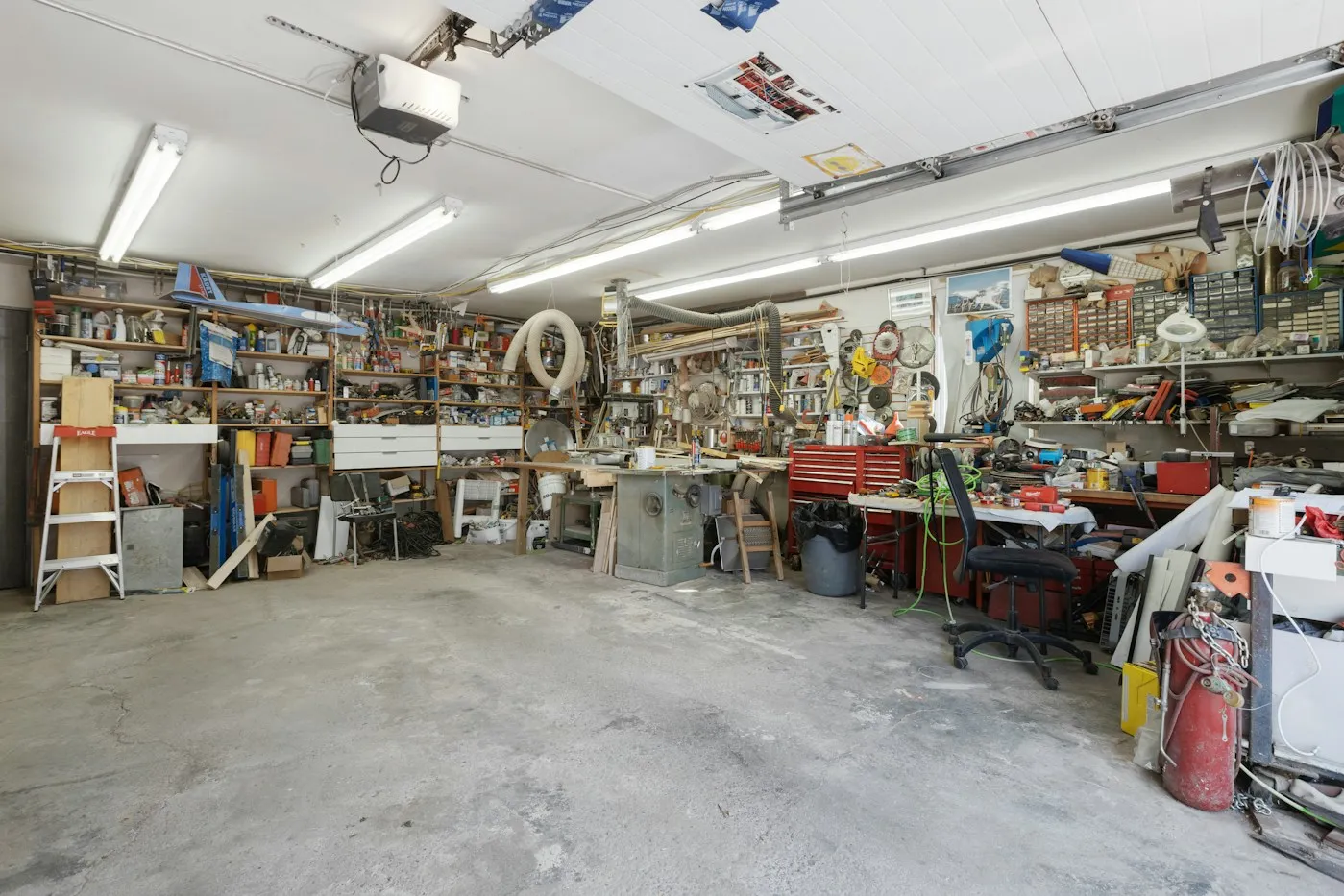
Because it pulls heat from the air, a heat pump water heater needs warm air and plenty of it. ENERGY STAR says to put one where the temperature stays between 40 and 90 degrees all year, with about 1,000 cubic feet of air around it. That's roughly a 12-by-12-foot room, and a garage usually has far more.
A South Georgia garage stays in that range most of the year. On the handful of cold nights when it dips lower, the unit leans on its backup elements for a while. And in the long, muggy months, it does something a standard tank can't. It cools the garage and pulls moisture out of the air, the same damp air that makes pipes sweat.
What It Needs Besides Space
- A drain. Like an air conditioner, it pulls water out of the air, and in humid weather that adds up to a lot. It needs a floor drain, a line to the outside or a small condensate pump.
- The right power. Most models need a 240-volt circuit, the same as a standard electric tank. If you're replacing a gas heater, an electrician may need to run one. Some newer models plug into a regular 120-volt outlet.
- Height and clearance. The heat pump sits on top of the tank, so it's taller than a standard heater and needs room above and around it for air and service.
- Air, if it's in a closet. A small closet usually needs vents in the door or ducts so the unit can breathe. Without them, it chills the closet and works harder.
- A little upkeep. ENERGY STAR notes that these heaters may need yearly maintenance, like cleaning or changing the air filter.
The Downsides Worth Knowing
Plenty of owners love theirs, especially in hot climates. Some plumbers still steer people away, usually because of a cramped install spot. Both sides have a point, so here's what to weigh.
- It costs more up front than a standard tank.
- It hums while it runs, a lot like a dehumidifier. That's fine in a garage and more noticeable next to a bedroom.
- It reheats more slowly in its most efficient mode, so busy households often switch to a mixed setting or choose a bigger tank.
- It cools the room it's in. That's welcome in July and less welcome if it sits inside the house in January.
- It has more parts than a basic tank, including a compressor, a fan and a control board, so ask about the warranty.
- Not every installer keeps one in stock, so a replacement can take longer to arrange.
What It Saves, in Plain Numbers
ENERGY STAR estimates that a family of four saves about $550 a year on electricity compared with a standard electric tank, and earns back the higher price in about three years. A two-person home saves closer to $270 a year, so the payback takes about five and a half years. Those figures use an electric rate near 15 cents per kilowatt-hour and a 13-year life, so your own bill will land somewhere around them, not on them.
Two things have changed lately. The federal tax credit that covered these heaters ended with work done through December 31, 2025, so a heater put in now doesn't qualify. Rebates come and go, so look up your ZIP code in the ENERGY STAR Rebate Finder and ask your electric company before you buy. If you heat water with gas today, the math is different, since gas already costs less to run in most homes.
When Another Water Heater Fits Better
- A standard tank is the cheapest to buy and fits a tight closet with no airflow. It's often the right call when the budget is the main concern.
- A tankless water heater hangs on the wall and never runs out, which suits homes short on floor space or with long showers back to back.
- A one- or two-person home that uses little hot water saves less, so the higher price takes longer to pay off.
- A home already on gas may do better staying with gas, without new wiring.
Plan Ahead, Not in an Emergency
The worst time to choose a water heater is the morning the old one floods the garage. ENERGY STAR suggests planning ahead, since an installer may need time to order a heat pump model, and the install can take longer than a simple tank swap. Start with the size you have now. The gallons are printed on the label or the yellow EnergyGuide sticker.
If the old tank is rusty, leaking or making popping noises, it may be nearing the end, and water heater repair or replacing it soon is worth a call. For the full range of choices, see water heater replacement in Valdosta, and for how installs are priced, see what plumbing costs here. If your real complaint is the long wait for hot water at a far bathroom, that's a different fix, a recirculation pump.
Thinking about a heat pump model? Let Plumber Valdosta Fix know the spot the old heater sits in, the fuel it runs on and how many people use hot water. A plumbing pro can tell you whether the space works and how the job would be priced.
Call (229) 544-0276Questions
Before You Buy a Heat Pump Model
Whether it's worth it, the catch, noise, closets, tax credits and how long it lasts.
Call (229) 544-0276Are heat pump water heaters worth it in the South?
For many homes, yes. They do best in warm spaces, and a South Georgia garage stays warm for much of the year. ENERGY STAR estimates a family of four saves about $550 a year compared with a standard electric tank. Smaller households save less and wait longer to earn back the higher price.
What's the catch with these heaters?
A higher price, a steady hum, slower reheating in its most efficient mode, and a need for space, air and a drain. It also cools the room around it, which helps in summer and works against you in a heated room in winter.
Is a heat pump model loud?
It's louder than a standard tank, which makes almost no sound. Most owners compare it to a dehumidifier or a window AC on low. In a garage, few people notice it.
Can a heat pump unit go in a closet?
Sometimes. It needs enough air, about 1,000 cubic feet around it by ENERGY STAR's guidance, so a small closet usually needs vented doors or ducts, plus a way to drain the water it collects. Have the space checked before you buy.
Does a tax credit still apply to heat pump water heaters?
Not anymore at the federal level. The IRS home improvement credit covered work done through December 31, 2025, so a heater installed now doesn't qualify. Rebates come and go, so check the ENERGY STAR Rebate Finder with your ZIP code and ask your electric company before you buy.
How long does a heat pump model last?
ENERGY STAR's savings math assumes about 13 years. Like any tank, it lasts longer when the anode rod and filter get attention and the tank isn't sitting in a damp spot.