Freezing
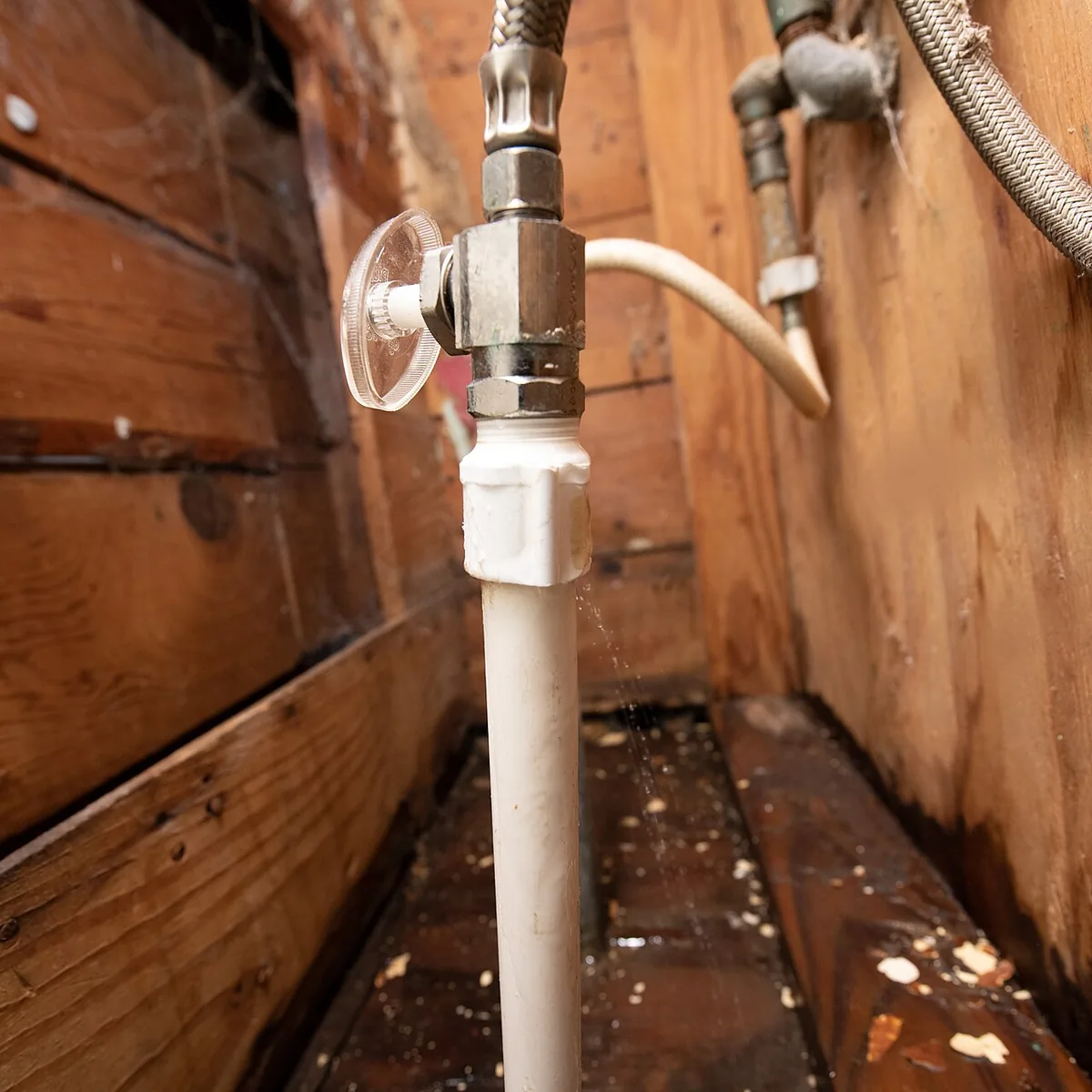
Ice expands inside the pipe and pressure builds between the ice and a closed faucet. The split often shows only once it thaws.
Valdosta, GA · Burst, frozen & leaking pipes
Shut the water off first, at the valve under the sink if that's where it's leaking or at the main if it isn't. Then call. Most pipe repair in Valdosta is a short job, cutting out the bad section, joining in new pipe and testing it, but the real question is whether it's one bad spot or a sign the rest of the line is wearing out. The line at Plumber Valdosta Fix stays open at any hour, and the repair price is agreed before work starts. Copper, PEX, CPVC, galvanized or the old gray plastic? Tell us which, if you know.
Call now, tell us where the water is coming from and get a price.
10+Years helping homeowners get it fixed
Water everywhere
A burst pipe is rarely random. Knowing why it failed tells the plumber whether a splice is enough or the same thing is about to happen a few feet away.
Ice expands inside the pipe and pressure builds between the ice and a closed faucet. The split often shows only once it thaws.
Old galvanized and thin copper wear from the inside until a pinhole or seam finally gives way.
Street pressure above what the pipes were built for, or repeated water hammer, strains joints and fittings.
A nail through drywall, a shifted foundation or a pipe rubbing on framing for years.
The repair itself is usually straightforward. Open up enough wall or ceiling to reach good pipe on both sides, cut out the damage, join in a new section and pressure test it. The step people skip is looking at the rest of the run. If the pipe on either side is pitted, rusted or brittle, a longer replacement now saves a second hole in the wall next month.
Pipe by pipe
Valdosta homes have a little of everything, from copper, PEX, CPVC and old galvanized to the gray polybutylene of the '80s and '90s. Each is cut and joined differently, and each has its own warning sign.
How it's repaired
The damaged section is cut out and new copper is joined in with solder, press fittings or a transition to PEX. Thicker Type L lasts longer than thin Type M, which has red printing on the side.
Watch for
Ask what the inside of the cut-out piece looks like. Pitting inside means more pinholes are coming.
How it's repaired
PEX is cut back past the damage and rejoined with crimp rings or expansion fittings. It's the quickest material to repair, and it often survives a freeze that would split copper.
Watch for
Keep it out of direct sunlight, and make sure the fittings are the type made for that brand of PEX.
How it's repaired
The cracked section is cut out and replaced with new pipe and solvent-cemented couplings. The joints need time to cure before the water goes back on.
Watch for
Old CPVC turns brittle and can crack when it's bumped during the repair, so the plumber may replace more than the leak.
How it's repaired
The pipe is cut back to sound metal and switched to copper or PEX through a dielectric union, which keeps the two metals from corroding each other.
Watch for
Rusted fittings can snap when they're turned. A small galvanized repair can grow, so ask about the condition of the rest of the run.
How it's repaired
A leaking section can be replaced with PEX and adapters made for polybutylene. That stops today's leak, but the rest of the gray pipe is the same age.
Watch for
Treat it as a stopgap. Polybutylene tends to fail again elsewhere, which is why most plumbers recommend a repipe.
Polybutylene and whole-house repipingAbout push-fit fittings. They're code-approved and handy for a fast stop, especially where a valve won't shut off fully. Inside a wall that's about to be closed up, crimp, press or soldered joints are the more common choice, so say which you want before the work starts. A repair clamp is a temporary patch, not a fix.
When it does get cold
Valdosta doesn't freeze often, which is exactly why so many pipes in attics, crawl spaces and outside walls were never insulated.
It does happen. On January 23, 2025, the City of Valdosta closed its offices for the risk of black ice and asked residents to insulate exposed pipes and winterize backflow preventers.
Lines in a crawl space freeze before lines inside the walls, which matters in Southside homes on piers.
A faucet that only trickles, or gives nothing at all, on a freezing morning usually means ice in a pipe on an outside wall or under the house.
Keep the faucet open
Moving water helps the ice melt, and the open faucet relieves pressure while it does.
Warm it gently
A hair dryer, a space heater kept clear of anything flammable, or warm towels. Never an open flame.
Check before trusting it
Pipes often split while frozen and leak only once they thaw. Watch the area, and the water meter, for an hour after the water runs again.
No water anywhere in the house? The freeze may be at the meter or in the line to the house. Call the City of Valdosta about the meter, or a plumber for the line.
Slow leaks
A pinhole is a tiny leak with a big question behind it. Was it a one-off, or is the pipe wearing thin everywhere?
Ask to see the inside of the piece that comes out. Smooth copper means the pinhole was likely a fluke. Pitting, green crust or thin spots mean more are on the way, and a third pinhole in a year is the usual point to start pricing a repipe.
Not every wet pipe is leaking, though. Beads all along a cold line on a humid day are usually sweating pipes, and the fix for that is insulation, not new pipe.
Water that's slightly acidic or very hard wears copper from the inside over the years.
Type M copper, with red printing, has thinner walls than Type L and pinholes sooner.
Pipe ends that weren't deburred, or blobs of solder inside, create turbulence that eats through the wall near joints.
Copper joined straight to galvanized steel corrodes at the joint unless a dielectric fitting separates them.
Banging pipes
A loud thud when a faucet or the washer shuts off is the water stopping all at once. It sounds harmless, but over time it loosens joints and wears out valves.
Washing machines, dishwashers and ice makers snap shut. A water hammer arrestor at the valve absorbs the shock.
Pipes that move when the water stops bang against framing. Re-strapping the run quiets it.
The plumbing code requires a pressure-reducing valve when static pressure is above 80 psi. A gauge on a hose bib tells you in a minute.
Bigger picture
Polybutylene, rusting galvanized and copper that keeps springing pinholes all reach a point where each repair just moves the next leak down the line. Replacing every water line at once, usually in one to three days, ends that cycle.
Pipe repair costs
The pipe and fittings are rarely the expensive part. Reaching the pipe, putting the wall back and the time of day are.
A pipe under a sink is quick. One inside a finished wall, a ceiling or under the slab costs more to reach and to patch.
PEX and copper repairs are routine. Galvanized and old CPVC jobs can grow once the pipe is opened.
Nights, weekends and holidays usually cost more than a weekday visit, so ask the rate when you call.
They take a minute on the phone and tell you whether you're getting a patch or a repair that lasts.
Questions
Burst pipes, freeze protection, push-fit fittings, insurance, and the yard-line question of what's yours and what's the City's.
Call (229) 544-0276Close the nearest valve, or the main if there isn't one, then open a low faucet to drain the lines. Turn off power to any outlets or appliances the water has reached, take photos, and call. The emergency plumbing checklist has every step.
Insulate pipes in the attic, crawl space and outside walls, cover outdoor hose bibs and disconnect hoses. On nights forecast in the low 20s or colder, drip the faucets on outside walls and open the cabinets under those sinks so warm air reaches the pipes.
Repair one bad spot in a pipe that's otherwise sound. Consider a repipe when leaks keep coming, the pipe is polybutylene or galvanized, or the inside of a cut-out section shows pitting.
Many policies cover water damage from a pipe that bursts suddenly, but not the cost of repairing the pipe itself or damage from a slow leak. Freeze damage can be denied if the home was left unheated. Check your policy, and keep photos and the plumber's invoice.
For a temporary stop, a repair clamp with a rubber pad, epoxy putty or self-fusing silicone tape can slow a small leak until a plumber arrives. None of them is a permanent repair, and none will hold a split from a freeze for long.
It depends on where the pipe is, what it's made of, how much wall or ceiling has to come open, and whether it's an after-hours call. A pipe under a sink is a short job; one inside a finished ceiling takes longer. You'll hear the price before work starts.
Freezing is the most common cause in a cold snap. The rest of the year it's usually corrosion, water pressure that's too high, repeated water hammer, or physical damage like a nail or a pipe rubbing on framing.
They're approved under the plumbing code and work well where you can see and reach them. If the repair will end up inside a closed wall or ceiling, it's fair to ask for crimp, press or soldered joints instead.
On City of Valdosta water, a break at the meter or on the street side of it is the City's to fix, so contact City of Valdosta Utilities during business hours. A break between the meter and the house is yours. See water line repair.
Keep reading
Water spraying right now, day or night.
When you can hear or see water but can't find the pipe.
When the leaks keep coming, the whole system.
A broken pipe under the concrete floor.
The buried line from the meter to the house.
Leaks and drips at the tank and its valves.
Pipe Leaking in Valdosta? Call Us Now
Burst, frozen, pinholed or banging. Tell us what you see and get a price.