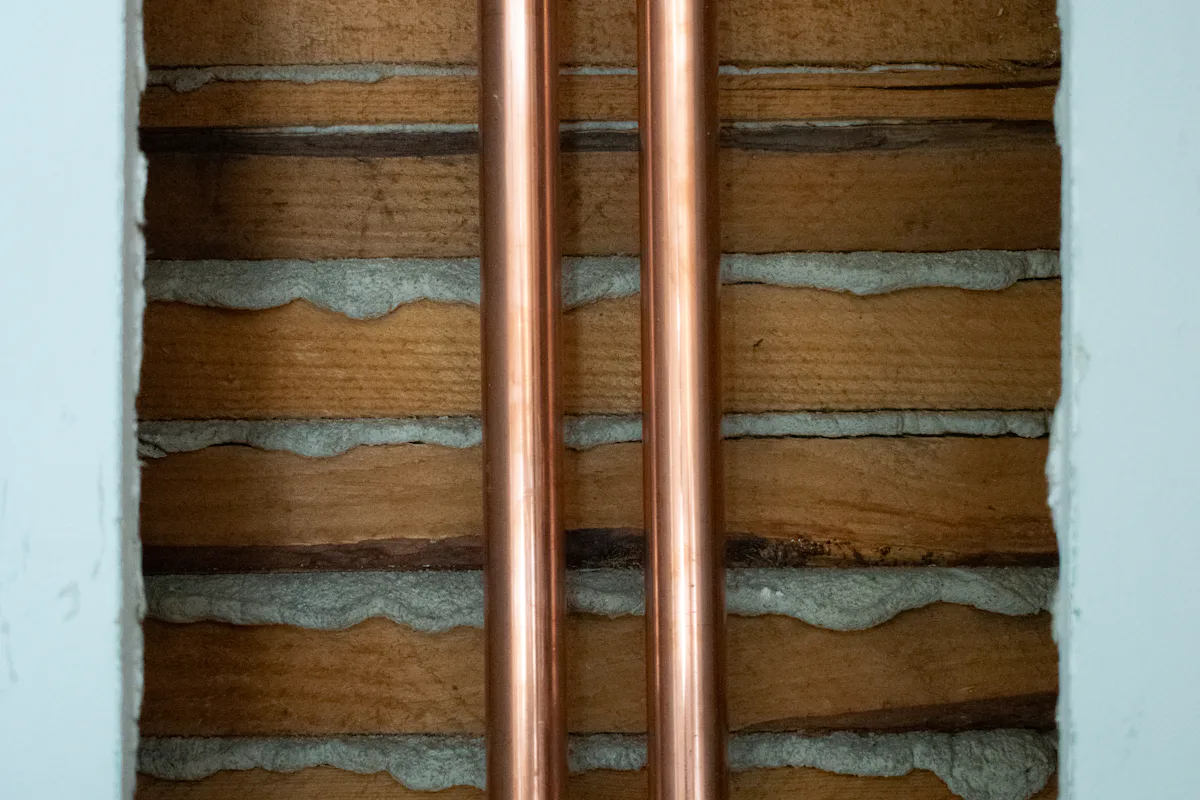
Acoustic Listening
Water forced out of a pressurized pipe makes a hiss. Acoustic equipment amplifies it through the floor or wall, and the plumber moves the sensor until the sound peaks, often to within a foot or two.
Valdosta, GA · Hidden water leaks
A water bill that doubled with nothing dripping, a brown ring spreading across the ceiling, a spot on the tile that feels warm under bare feet. Each one means water is going somewhere it shouldn't. Good leak detection in Valdosta finds exactly where, using sound, heat and pressure, so the repair opens one small spot instead of a whole wall or floor. Call Plumber Valdosta Fix any hour to talk it through, including what the search is likely to cost. Slab or crawl space, older home or new build, the call works the same way.
Call now, describe what you're seeing and get a price.
10+Years helping homeowners get it fixed
Warning signs
Most hidden leaks give themselves away long before water shows on the surface. These are the clues worth acting on.
A bill that climbs two months running with no change in how you use water is the most common first sign. Do the meter test below before paying anyone.
A hiss or trickle inside a wall or under the floor when every tap is off. It's easiest to hear late at night, once the house is quiet.
Tile or concrete that feels warm under bare feet, always in the same place. In a home built on a concrete slab, that can mean a hot water line leaking under the slab.
A brown ring on the ceiling, paint that blisters, a baseboard that swells. The stain shows where the water ended up, not always where the leak is, because water runs along pipes and framing before it drips. For leaks between floors downtown, where a loft sits over a shop, the search starts upstairs.
A slow drip can keep a wall cavity wet for weeks before anything shows on the surface. A musty smell in one room, or dark spots along a baseboard, is often the first clue.
Grass that stays green and soft through a dry spell, or ground that sinks along the path of the water line. In sandy South Georgia soil, a yard leak can drain away and leave no puddle at all.
Weak pressure at every faucet, with no work going on in the street, can mean water is escaping before it reaches the taps.
Do this first
It takes about 15 minutes and costs nothing. It tells you whether water is really escaping, and whether the leak is inside the house or out in the yard.
Every faucet and shower, the dishwasher, the washing machine, the ice maker, the sprinklers and the water softener. Wait until no toilet is refilling.
On City water the meter sits in a box near the street or sidewalk. Write down the number. Many meters also have a leak indicator that moves whenever any water flows. On older dials it's a small triangle or star, and on digital displays it's a flow symbol.
Use no water at all in between. If the number went up, or the indicator is turning, water is leaving the pipes somewhere on the property.
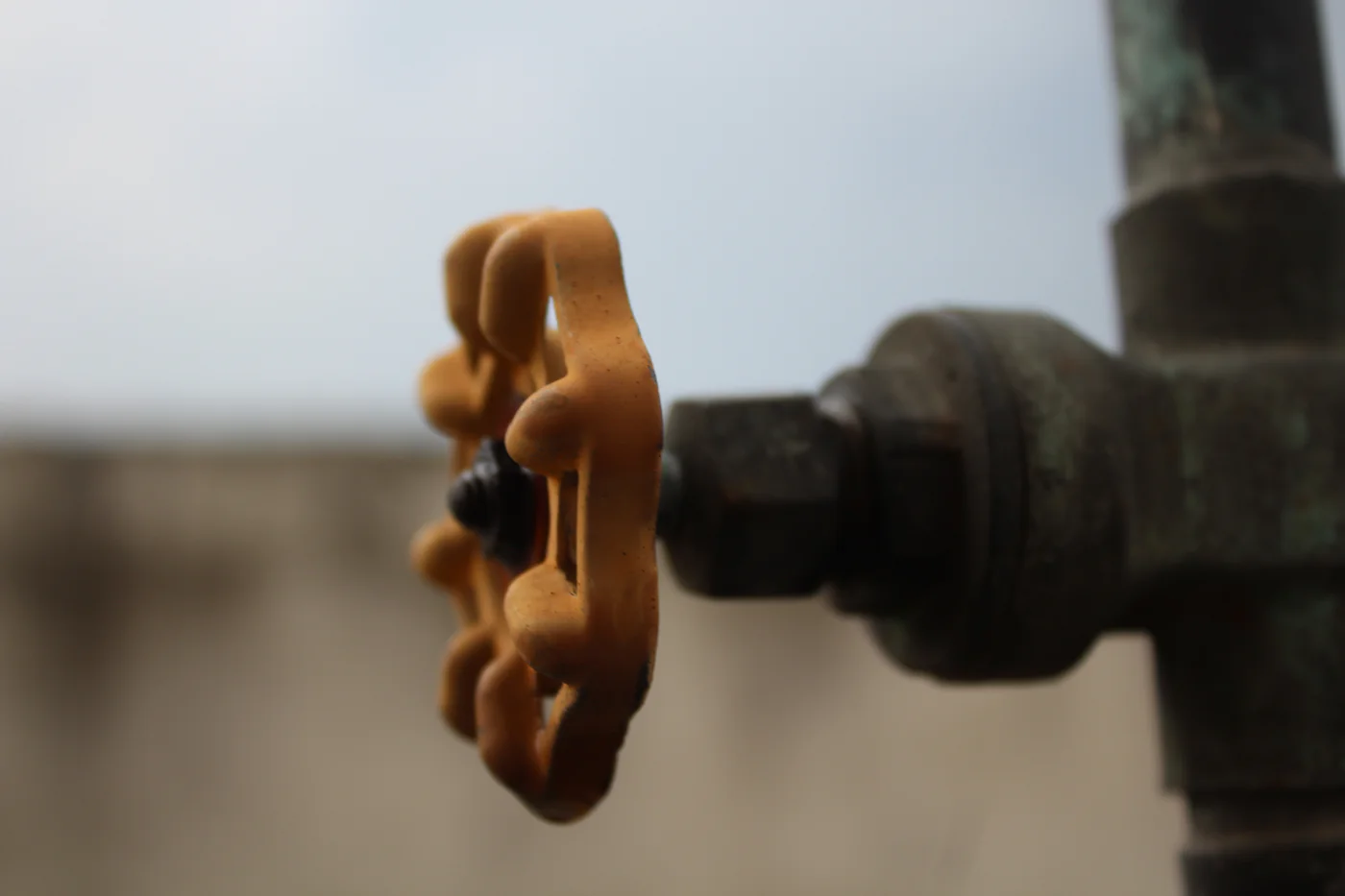
It's usually where the line enters the house, on an outside wall, in the garage or in the crawl space. Close it and watch the meter again. This one step splits the yard from the house.
Put a few drops of food coloring in each tank and wait 15 minutes without flushing. Color in the bowl means the toilet flapper is leaking. It's a cheap part, and one of the most common causes of a high water bill.
Lift the meter box lid with a tool, not your fingers. In South Georgia, meter boxes are a favorite spot for fire ants, spiders and the odd snake. The meter belongs to the City, so read it and leave the valve beside it alone.
Leak or billing problem?
If the meter sat still during the test, the extra gallons may not be a leak at all. Check these before you pay anyone to look for one.
Finding it without guesswork
Plumbers don't start by cutting holes. They narrow the leak down with sound, heat, pressure and moisture readings, then open one small spot where the readings agree.
Water forced out of a pressurized pipe makes a hiss. Acoustic equipment amplifies it through the floor or wall, and the plumber moves the sensor until the sound peaks, often to within a foot or two.
An infrared camera shows temperature, not water. A hot water leak glows warm through a slab or wall, while wet drywall shows up cooler than the dry wall around it.
The plumber closes off one line, puts it under pressure and watches a gauge. If the needle drops, that section leaks. Testing hot and cold lines separately cuts the search in half.
A moisture meter reads how wet drywall, wood or flooring is, mapping how far the water has spread and where it's wettest, so the opening goes in the right place.
For leaks too quiet to hear, the line is drained and filled with a safe tracer gas that escapes through the break. A sensor picks it up at the surface, even through soil or concrete.
Drain and sewer pipes aren't under pressure, so they only leak when water runs. A camera fed into the line shows cracks and separated joints the meter test can't.
Under the floor
Many Valdosta homes sit on a concrete slab, with the water lines buried in the ground underneath. When one of those lines wears through, the water has nowhere to show except as a warm spot, a crack in the tile, damp carpet along a wall or a meter that never stops turning.
Ask whether a reroute makes more sense than breaking the slab. Running new pipe overhead can cost less than opening a finished floor, and it ends the risk of that old line leaking again.
Slab leak repair in ValdostaStains and soft spots
A stain on the ceiling under a bathroom is more often a drain leak than a water pipe, like a worn tub drain gasket, a cracked shower pan, a failing wax ring under the toilet or a loose trap under a sink. Drain leaks only drip when the fixture is used, so the meter test can come back clean while the ceiling keeps staining.
Supply leaks are under pressure all the time. A pinhole in a copper line, a failed fitting or a loose hose behind the washing machine keeps a wall wet day and night, and the stain grows even when nobody is home.
When the stain sits under a bathroom or kitchen, call a plumber before a painter or a roofer. Running the shower, filling the tub or flushing the toilet above the stain, one at a time, shows which one the water follows.
Leak detection costs
Leak detection is priced on how hard the leak is to find, so two homes with the same symptom can be very different jobs.
One suspect toilet is a quick check. A whole house with no clue where the water goes means testing line after line.
A pressure test and a listening device find most leaks. Thermal imaging, tracer gas or a camera adds equipment and time.
Locating the leak and repairing it are usually priced separately. Ask whether the detection fee comes off the repair if the same plumber does both.
Five questions that make two leak detection prices comparable, and stop a small search from turning into a surprise bill.
Questions
Hidden leaks, the meter test, insurance, and the line between your pipe and the City's are covered here. Water coming through right now? See the emergency plumbing page.
Call (229) 544-0276The usual signs are a water bill that jumps with no change in use, running water you can hear with every tap off, a warm spot on the floor, ceiling or wall stains, a musty smell and a soggy patch in the yard. The water meter test on this page confirms whether water is really escaping.
Shut off everything that uses water, note the meter reading, use nothing for 15 minutes and read it again. Any change, or a spinning leak indicator, means a leak. Then close the main valve at the house. If the meter still moves, the leak is in the yard line.
It depends on how big the search is, which methods it takes and whether the repair is priced in. Finding a leaking toilet costs far less than tracing a slab leak under a finished floor. Call with what you're seeing. A simple search can sometimes be priced on the call, a bigger one may need a look first, and it's worth asking what the visit costs before anyone heads out.
Usually, yes. Listening equipment, thermal imaging and pressure tests narrow the leak down first, so any opening is small and in the right spot. Some opening is often still needed to make the repair itself.
Policies vary. Many cover sudden water damage, and some also pay to open the floor or wall to reach the leak. Few pay to replace the worn-out pipe, and damage from a slow leak that went on for months is often excluded. Check with your agent, and keep photos and the plumber's written findings.
A leak at the meter or on the street side of it is the City's to fix, so contact City of Valdosta Utilities for a broken main or a shut-off at the meter. Anything from the meter to the house, and everything inside it, belongs to the property owner and needs a plumber.
Yes. Battery leak sensors under sinks, behind toilets and beside the water heater sound an alarm when they get wet, and some send an alert to your phone. Automatic shut-off valves go further and close the main when they sense a leak. If your home has a City smart meter, the City's customer portal can also send leak alerts.
Often. Once the leak is pinpointed, the plumber may open only a small section of floor or tunnel in from outside. Many homeowners choose a reroute instead, running a new line through the attic or walls, which skips the slab and leaves the old line in place, unused.
A single leak in an easy spot can take an hour or two. A slab leak, or a house with several possible sources, takes longer. Ask for a time estimate along with the price when you call.
Keep reading
Leaks under a concrete floor, repaired or rerouted.
Pinholes, burst pipes and failed fittings in walls and ceilings.
The yard line between the meter and the house.
Running toilets, flappers and leaks at the base.
When the pipes keep failing, all of them at once.
Water coming through the ceiling right now.
Think You Have a Leak? Call Us Now
High bills, stains, warm floors and the sound of running water. Share what you've noticed and ask what the search would cost.