Skip to content
Plumber Valdosta Fix

Valdosta, GA · Tanks, pumps, alarms & lids

Septic Tank Repair
in Valdosta, GA

A red light on the septic panel, a lid that cracked under the mower, sewage creeping up in the tub a week after a pump-out. Most septic trouble is one failed part, not a failed system, and the job of septic tank repair in Valdosta is finding that part before anyone prices a new tank. Day or night, Plumber Valdosta Fix takes the call. Describe what you're seeing, and hear what the repair costs before work starts. Alarm going off? Stop running water first.

Call now, tell us what the alarm or the drains are doing and get a price.

  • 24/7Alarms and backups, any hour
  • $0To call. You only pay for work you approve
  • 10+Years helping homeowners get repairs done
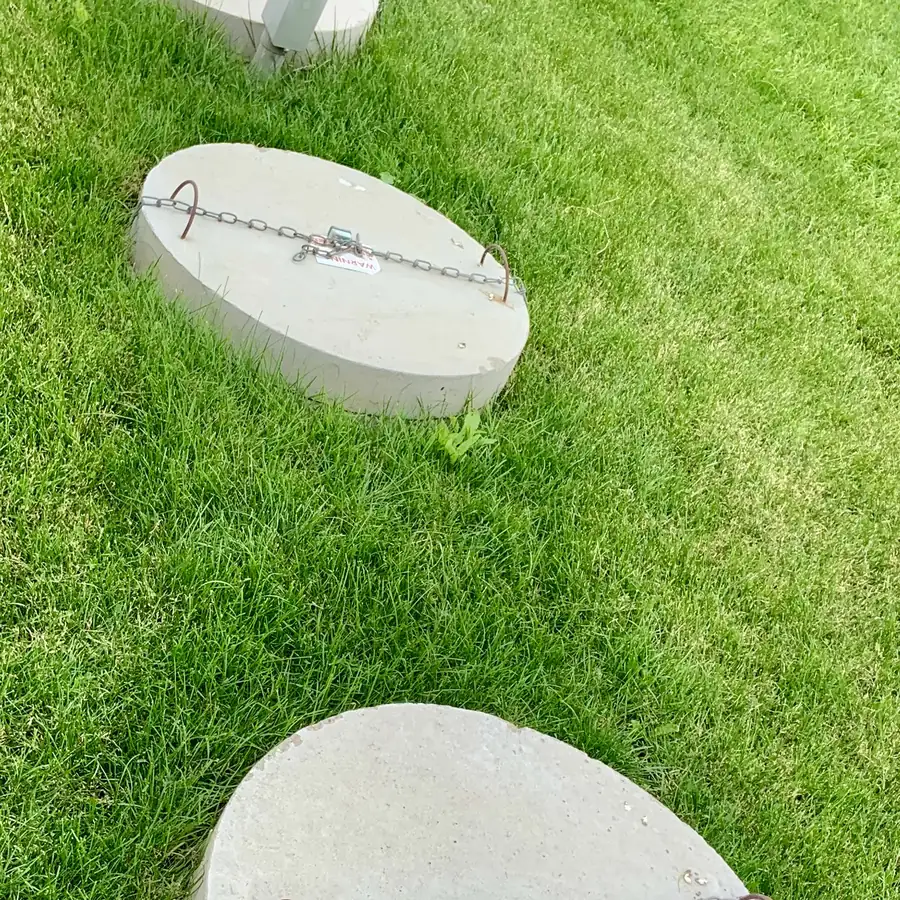
Concrete septic tank lids uncovered in a lawn

10+Years helping homeowners get it fixed

  • Fix the part firstA baffle, a float or a lid, not a whole new system.
  • Photos of the empty tankAsk to see the walls and baffles after it's pumped.
  • Permitted repairsGeorgia requires repairs to be permitted and inspected.
  • Price up frontHear the cost before any digging starts.

What you're seeing

Signs Your Septic System Needs Repair

Each symptom points to a different part. Knowing which one helps you judge the repair you're quoted.

Tank just full and due for pumping? That's routine service, not repair. Septic tank service

01A red light or buzzer on the septic panel
High water in the pump tank, from a failed pump, a stuck float, a tripped breaker or a blown fuse.
02Sewage in the tub soon after a pump-out
A clog or broken pipe between the house and the tank, or a broken inlet baffle.
03A strong smell right at the tank lids
A cracked or poorly seated lid, or a riser that's lost its seal.
04A soft, sunken spot over the tank
A lid or tank top that's cracking, or soil washing in through a gap. Keep people and cars off it.
05Water flowing back into the tank after pumping
A drain field that's saturated, or a clogged effluent filter or distribution box.
06A pump that runs constantly, or never
A float switch that's tangled or worn, or a pump that's burned out.

Common repairs

What Septic Tank Repair in Valdosta, GA Usually Involves

Three groups of parts cause most septic repair calls. Here's what fails in each, and what the usual fix looks like.

Baffles & Lids

What fails

Baffles are the pipes or walls at the inlet and outlet that keep scum and solids inside the tank. Old concrete baffles crumble and fall off, letting solids wash straight into the drain field.

The usual fix

A broken baffle is usually replaced with a plastic sanitary tee, and the outlet side can take an effluent filter at the same time. Cracked lids are replaced, and adding a riser to grade means nobody has to dig for them again.

Before you say yesA paver laid over a cracked lid isn't a fix. The old lid can still crumble into the tank underneath it.

Pumps & Alarms

What fails

Systems with a pump tank push effluent uphill or out to a pressurized field. The pump, its float switches, the control panel and the high-water alarm all wear out, and storms knock them offline.

The usual fix

The repair might be a new float, a fuse, dried-out wiring, a reset control panel or a replacement effluent pump. Aerobic systems also have an air pump whose diaphragm wears out and sets off its own alarm.

Before you say yesFind out which light is on before anyone quotes a pump. On aerobic panels, one light usually means high water and another means the air pump.

Cracked Tanks

What fails

Concrete tanks can crack from settling or heavy loads, and corrosion eats at their walls over the years. A crack below the water line lets sewage out and groundwater in.

The usual fix

A chipped lid edge or a crack above the water line can often be sealed. Crumbling walls, cracks below the water line, or a rusted-through steel tank usually mean a replacement tank.

Before you say yesNobody can judge a tank full of sewage. Ask for photos of the walls once it's pumped empty.

Also common

  • The sewer pipe leading out to the tank
  • A clogged effluent filter
  • A distribution box that's tipped or clogged
  • Roots in the tank or the pipes

Right now

Septic Alarm Going Off? Do This First

The alarm is a warning, not a flood. It gives you time to stop using water and find out why the pump tank is filling.

  1. 01

    Silence it

    Most panels have a button or switch that stops the buzzer. The light stays on until the problem is fixed.

  2. 02

    Stop using water

    No laundry, no dishwasher, no long showers. Every gallon goes into a tank that isn't emptying.

  3. 03

    Check the breaker

    Look for a tripped breaker or GFCI outlet for the septic pump. Reset it once. If it trips again, leave it off.

  4. 04

    Call for repair

    If the light is still on after a little while, or the breaker won't hold, the pump, float or wiring needs a look.

Repair or replace

Can the Tank Be Repaired?

Usually, yes. A replacement tank is the right call for a short list of problems, and every one of them can be seen once the tank is pumped.

Usually repaired

  • A broken inlet or outlet baffle
  • A cracked or chipped lid, or a missing riser
  • A failed pump, float switch or alarm
  • A clogged effluent filter
  • A clog or break in the line from the house
  • A crack above the water line

Usually replaced

  • Walls that are crumbling or corroded through
  • Cracks below the water line
  • A rusted-out steel tank
  • A tank too small for the house it serves
  • A collapsed tank top
Septic tank installation in Valdosta

Told the whole system needs replacing? Ask for photos of the empty tank and the drain field findings, and get a second opinion before you agree. It costs far less than a new system, and a broken baffle or a clogged filter is sometimes the whole story.

Georgia rules

Septic Repair Permits in Lowndes County

Septic systems in Georgia are regulated by the Department of Public Health and permitted through each county's Environmental Health office.

Georgia's on-site sewage rules say it plainly. “Repairs, replacement, or additions to existing systems must be permitted and inspected.” Here, permits are handled by Lowndes County Environmental Health. Ask whether the permit is in your price, and who pulls it.

The same rules say that when a system fails and public sewer is available, the home is to connect to it. If a sewer main runs along your street, ask Environmental Health about that before paying for a major septic repair.

Georgia's Department of Public Health also certifies septic installers and pumpers. Before work starts, it's fair to ask whether the company is certified.

Businesses and rentals

Commercial Septic Repair

Businesses outside City sewer run on the same kind of system as a home, only harder. More people, more grease and more water mean pumps, alarms and baffles wear faster.

Under Georgia's rules, a system producing more than 2,000 gallons per day needs plans stamped by an engineer licensed in the state, so larger repairs can take longer to permit. Plan maintenance around that.

Commercial plumbing in Valdosta

Restaurants and kitchens

Georgia's rules define a grease trap as a device that intercepts grease so it can be removed. When it isn't cleaned out, grease reaches the tank and the field.

Churches, offices and shops

Heavy use on Sundays or weekdays, and none in between, is hard on pumps and alarms. A maintenance schedule catches worn parts early.

Rentals and mobile home lots

Tenants rarely know what not to flush. Effluent filters, risers and alarms make problems easier to spot and cheaper to fix.

Repair costs

What Affects Septic Repair Cost

The part that failed sets most of the price. These four things set the rest.

Digging to reach it

Lids a foot or more down take digging every visit. Risers to grade save that time on every future repair.

Which part failed

A baffle, lid or float costs far less than a pump, and a pump far less than a new tank.

Pumping first

Most tank repairs need it pumped first, so the parts can be seen and reached.

Permit and inspection

Georgia requires septic repairs to be permitted and inspected, which adds a fee and some time.

Five questions before you approve

They keep a repair from turning into a replacement you didn't need.

  1. Which part failed, and can I see it?
  2. Will you pump it first so the walls can be checked?
  3. Is the permit included, and who pulls it?
  4. Should a filter or riser go in while it's open?
  5. If you say replace, can I see photos of the empty tank?

Questions

Septic Repair FAQ

Warning signs, alarms, a pump breaker that keeps tripping, permits, and whether a damaged tank can be saved.

Call (229) 544-0276
How do I know if my septic system is failing?

Sewage backing up in the lowest drains, slow drains all through the house, a sewage smell near the tank or field, and soggy or extra-green ground over the drain field are the usual signs. Water running back into the tank after it's pumped points to the field. A septic company can tell whether it's one part or the whole system.

Can a septic tank be repaired, or must it be replaced?

Most problems are repairable. Baffles, lids, risers, pumps, floats and filters are all replaced on their own. A tank needs replacing when its walls are crumbling, it's cracked below the water line, or a steel tank has rusted through. Get photos of the empty tank before agreeing to a new one.

Why is my septic alarm going off?

It usually means the water in the pump tank is higher than it should be. The common causes are a tripped breaker or blown fuse, a stuck or worn float, a failed pump, or heavy water use or rain. On aerobic systems, a separate light can mean the air pump has failed. Stop using water and check the breaker, then call if it doesn't clear.

How much does it cost to repair a septic system?

It depends on which part failed, how deep the tank is, whether it needs pumping first, and the permit. Replacing a baffle or a float is a much smaller job than replacing a pump, and a pump far smaller than a new tank or drain field. Ask for the price in writing before work starts.

Can a septic drain field be repaired?

Sometimes. A clogged distribution box, a crushed line or a blocked effluent filter can be fixed. A field that's saturated with sludge after years without pumping often has to be replaced or added to. Replacing a drain field in Valdosta

Do I need a permit to repair a septic system in Georgia?

Yes. Georgia's septic rules say repairs, replacements and additions to existing systems must be permitted and inspected. Locally, contact Lowndes County Environmental Health to ask what your repair needs.

My septic pump breaker keeps tripping. What's wrong?

A breaker that trips again right after a reset usually means a short in the pump or its wiring, often from water getting into a connection, or a pump that's seizing up. Leave it off, keep water use low, and have the pump and wiring checked.

Will a new lid or riser fix a cracked tank top?

If the crack is only in the lid or its rim, yes; a new lid, or a riser with a fitted lid, solves it. If the tank's top slab itself is breaking up, the tank needs a closer look, and keep people and vehicles off that spot until it's checked.

Keep reading

Septic Alarm or Backup? Call Us

Baffles, lids, pumps, floats and tanks for Valdosta homes and businesses. Explain what's going wrong and get the repair priced.

Call (229) 544-0276
Call (229) 544-0276