Moisture and leaks
Why Are My Pipes and Toilet Tank Sweating?
A wet spot under the sink or a puddle by the toilet on a muggy day looks like a leak. Often, though, it's sweating pipes, the same thing that happens to a glass of iced tea on a Valdosta porch in July. The water isn't coming out of the pipe. It's coming out of the air. That's usually harmless at first, but a steady drip can rot a cabinet floor or start mold, so it's worth sorting out.
Last updated Published by Plumber Valdosta Fix
Water From the Air, Not the Pipe
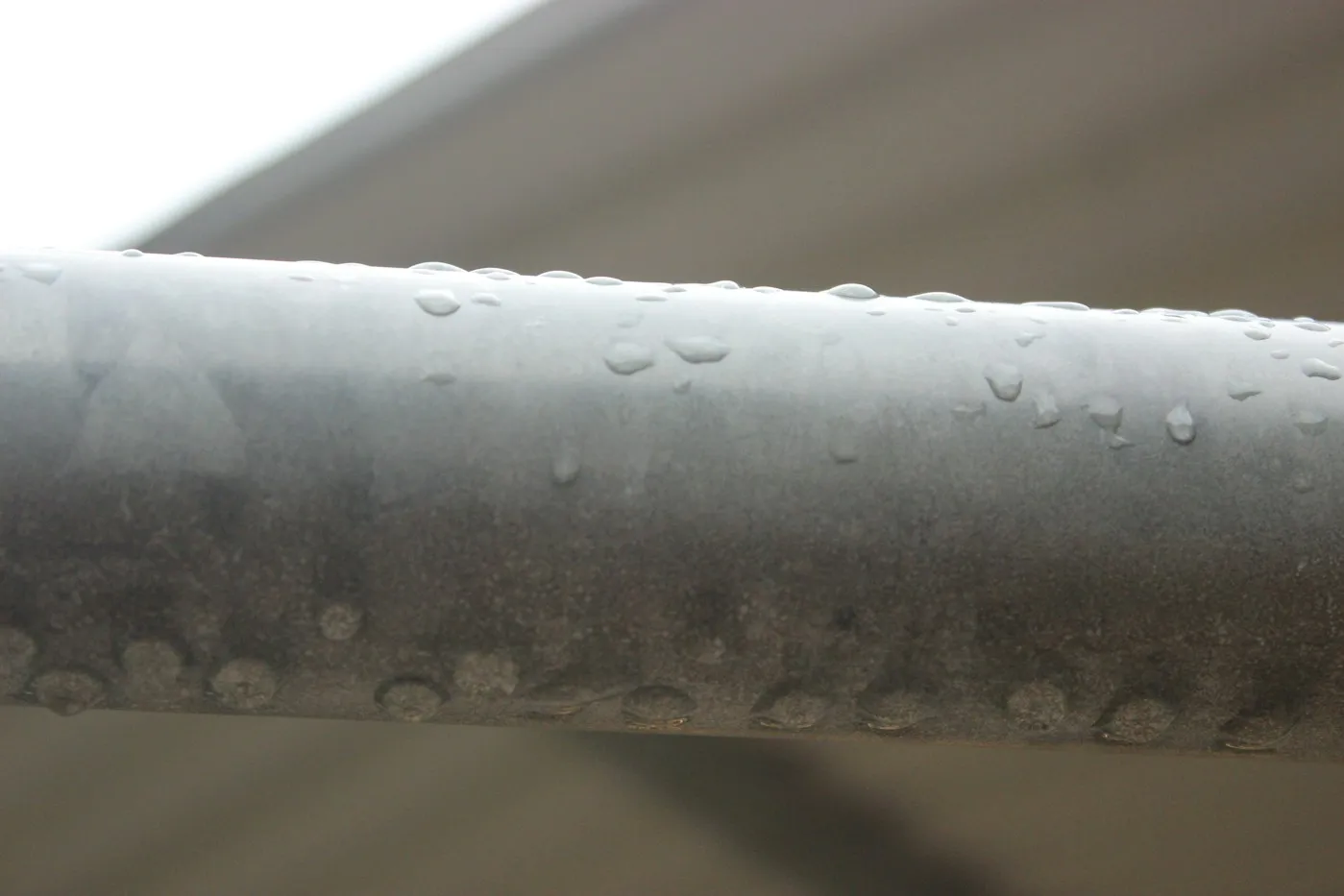
Warm air holds a lot of moisture, and South Georgia air holds more than most for much of the year. When that damp air touches something cold, it cools down and has to let some of its water go. The water collects as beads on the cold surface. That's condensation, and the temperature where it starts is called the dew point.
City water comes from deep wells, and it reaches your house a good bit cooler than a summer afternoon. So the cold water lines, the toilet tank and anything else holding fresh cold water can drop below the dew point and start to bead. It's worst when water is moving, since every flush and every shower brings in another load of cool water.
One quick note on words. Plumbers also say they're sweating a pipe when they solder copper joints with a torch. That's a repair, not a drip, and it isn't what this post is about.
Sweat or a Leak?
Both leave a wet mess, so find out which one you have before buying anything.
- Wrap it and wait. Dry the pipe with a towel, wrap a dry paper towel around it and check back in an hour. Sweat dampens the whole wrap evenly. A leak soaks one spot, usually at a joint, a valve or a fitting.
- Look at which pipes are wet. Sweat forms on cold water lines, the toilet tank and the toilet's supply line. A hot water pipe that drips is leaking, since hot pipes don't sweat.
- Notice when it happens. Sweat comes on muggy days, after showers and right after the toilet refills, and it dries up when the air dries out. A leak drips no matter what the weather is doing.
- Color the toilet tank. Tint the tank water with food coloring and wait an hour. Colored water on the floor means the tank, its bolts or the seal between tank and bowl is leaking. Clear beads all over the outside of the tank are sweat. A flashlight held sideways along the tank shows them well.
- Check the meter. Sweat is pulled from the air, so your water meter never sees it. Turn off everything that uses water and do the meter test. If the meter still creeps, water is escaping somewhere.
Toilet Tanks That Drip on the Floor
A toilet tank refills with cool water every time it's flushed. In a steamy bathroom, the outside of the porcelain beads up, the drops roll down the back and a puddle forms behind the bowl where nobody looks. A toilet that runs or refills on its own makes it worse, since the tank never gets a chance to warm up. Fixing that is simple toilet repair, and it may stop most of the sweat by itself.
For a tank that sweats even when the toilet works fine, these are the fixes that help most.
- Run the bathroom fan during every shower and for a while after, or crack a window. Steam is what feeds a sweating tank.
- Fit a foam liner inside the tank. Kits sold at hardware stores insulate the porcelain so the outside stays warmer. The tank has to be drained and bone dry for the foam to stick.
- Have an anti-sweat valve put in. It blends a little hot water into the toilet's supply, so the tank isn't filled with water quite as cold. It needs a hot water line close by, so it's plumber work.
- When the toilet is due for replacing anyway, pick one with an insulated tank or a pressure-assisted tank, which keeps the cold water in an inner tank.
If the food coloring test turned the floor water colored, skip all of that. The tank or its seal is leaking, and a cracked tank can't be patched for long.
Pipes Under Sinks, in Crawl Spaces and Attics
Under a sink, the cold supply line and its shutoff valve bead up and drip onto the cabinet floor. A towel down there only hides it. Slip foam pipe insulation over the cold line, wrap the valve, and keep stored items from sitting against the pipes.
In a crawl space, summer air comes in through the foundation vents and meets every cold pipe under the house. The drips soak the insulation, the subfloor and the floor framing. Insulating the cold lines is the first step, and a plastic vapor barrier over bare dirt cuts the moisture rising from the ground. Sealing the crawl space completely is a bigger project, usually for a crawl space or HVAC company.
In an attic, water lines are less often the cause. When a ceiling stain shows up under the attic, the AC is the usual suspect, and the next section covers it.
When It's the AC or the Water Heater
Some of the most common drips around a house don't come from the plumbing at all.
- The AC lines. The copper line wrapped in black foam that runs to the outdoor unit is very cold, and it sweats wherever the foam is torn or missing. The white plastic line next to the indoor unit carries water the AC pulls out of the air. If it clogs, the drain pan overflows, often onto a ceiling or a closet floor. Both are jobs for an HVAC technician.
- The water heater. A gas water heater can drip, and even sizzle on the burner, for a while after it fills with cold water. Moisture from the flame condenses on the cold tank and goes away once the water heats up. If water keeps pooling under it hours later, it's a leak from a fitting, the relief valve or the tank, and that calls for water heater repair.
Drier Air Means Fewer Drips
Insulation stops the cold surface from meeting the damp air. Lowering the humidity attacks the other half. The EPA suggests keeping indoor humidity below 60 percent, and ideally between 30 and 50, and a cheap humidity meter from the hardware store tells you where you stand.
- Run the bathroom fan when showering, and the kitchen fan when cooking or running the dishwasher.
- Make sure the clothes dryer vents outside, not into the garage or crawl space.
- Let the AC run, and add a dehumidifier in a room or crawl space that stays damp.
- Keep air moving with a ceiling fan or an open door, so damp air doesn't sit in one spot.
When the Drip Has Done Damage
A few weeks of steady sweat can leave marks. Watch for a soft or stained cabinet floor, swollen baseboards near the toilet, a musty smell, dark spots on drywall, or wet insulation hanging under the house. The EPA says damp materials should be dried within 24 to 48 hours to keep mold from taking hold, and the moisture source has to be dealt with too.
Some water isn't sweat at all. A ceiling stain under a bathroom, a damp wall with no pipe showing, or a warm, wet spot on a slab floor points to a hidden leak. Leak detection finds where it's coming from, a joint that drips gets pipe repair in Valdosta, and water under the slab is a slab leak job.
Not sure whether it's sweat or a slow leak? A local plumbing pro can often tell from a few questions about which pipes are wet and when. If a leak needs finding, you'll hear how the search is priced first.
Call (229) 544-0276Questions
Sweating Pipe Questions
What sweating means, stopping it, toilet tanks, your water bill, mold and crawl space insulation.
Call (229) 544-0276What does sweating the pipes mean?
It has two meanings. For homeowners, it means water forming on the outside of cold pipes, the drips this post is about. Plumbers also call soldering copper joints with a torch "sweating" a pipe, which is a repair method, not a moisture problem.
How do I stop my pipes from sweating?
Cover the cold water lines with foam pipe insulation and tape the seams, then bring the indoor humidity down below 60 percent with fans, the AC or a dehumidifier. For a toilet, a tank liner or an anti-sweat valve takes care of the rest.
Is a sweating toilet tank bad?
A little beading on a summer afternoon is normal. A tank that drips every day is a problem, because the water runs down behind the toilet, out of sight, and over time it can stain the floor and soften the subfloor.
Will sweating pipes raise my water bill?
No. Condensation is water pulled out of the air, not water leaving your pipes, so the meter doesn't count it. If your bill has jumped too, something is actually leaking.
Can sweating pipes cause mold?
They can if the drip keeps wood, drywall or insulation wet. The EPA says to dry damp materials within 24 to 48 hours to keep mold from growing, and to deal with the moisture source so it doesn't happen again.
Should I insulate cold water pipes in a crawl space?
Yes, if they sweat. The EPA lists covering cold water pipes with insulation as one way to prevent condensation. Use foam sleeves sized for the pipe and tape every seam, since damp air that gets behind the foam will still find the cold pipe.