Skip to content
Plumber Valdosta Fix

Valdosta, GA · Gas & electric tankless

Tankless Water Heater Installation & Repair in Valdosta, GA

Hot water that doesn't run out and a closet back where the tank used to stand are the big draws. The catch is a higher price, a bigger gas line or a lot more electrical capacity, and a yearly descaling, which is why a tankless water heater in Valdosta is a great fit for some homes and the wrong one for others. Not sure which one fits your house? A call to Plumber Valdosta Fix at any hour sorts that out, along with what the switch would cost. Already have one acting up? Error codes, cold bursts and descaling are all part of the call.

Call now, tell us about your home and get a price.

  • 24/7Installs, repairs and no-hot-water calls
  • $0To call. You only pay for work you approve
  • 10+Years helping homeowners get repairs done
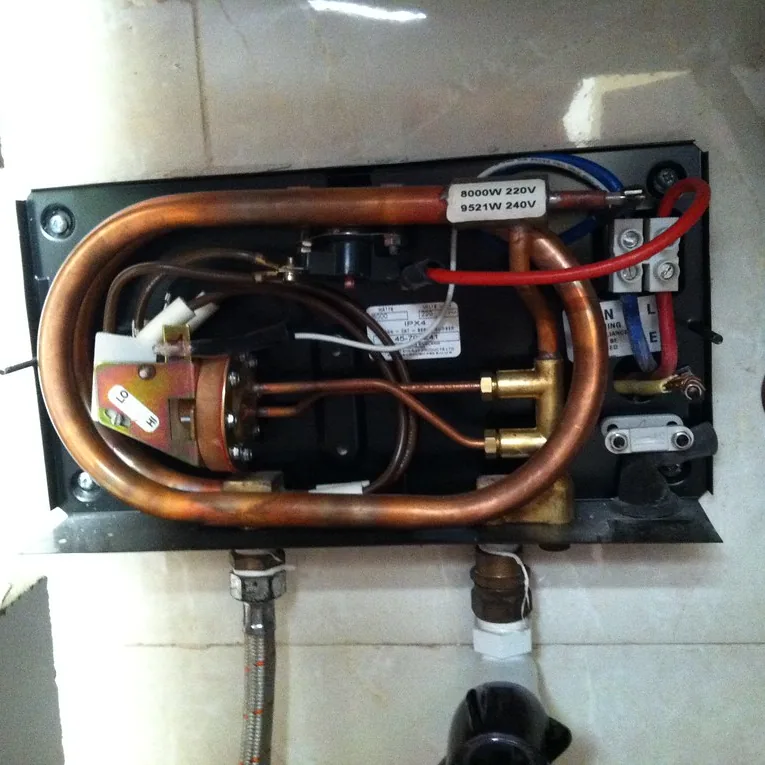
An electric tankless water heater with its cover off

10+Years helping homeowners get it fixed

  • Honest fit checkHear whether your house suits tankless before you spend on one.
  • Gas and electricGas line, venting and electrical needs spelled out up front.
  • Repairs and descalingError codes, cold bursts and yearly flushes on existing units.
  • All-in pricingUnit, venting, gas or electrical work and permit in one number.

Tank or tankless?

Is a Tankless Water Heater in Valdosta, GA Right for Your Home?

Tankless isn't better or worse than a tank. It trades a higher up-front cost and more upkeep for endless hot water and a smaller footprint.

Hot water supply
TankRuns out when the tank is empty, then recovers
TanklessKeeps going as long as you stay within its flow rate
Up-front cost
TankLower
TanklessHigher, more so if the gas line or electrical service needs upgrading
Space
TankA closet or corner for a 40 to 50 gallon tank
TanklessA box on the wall, inside or out
Standby loss
TankKeeps a full tank hot around the clock
TanklessHeats only when a tap is open
Upkeep
TankA yearly flush helps
TanklessDescaling at least yearly, more with hard water
Power outage
TankMany gas tanks still work
TanklessGas units need electricity to run

Gas vs. Electric Tankless

Gas Tankless (Natural Gas or Propane)

The usual choice for a whole house. A gas unit can serve several fixtures at once and runs on natural gas or propane.

Watch forNeeds a gas line big enough for its BTU rating, often larger than the old tank's, plus its own venting and a condensate drain on condensing models.

Electric Tankless

No venting or gas line, and small point-of-use units work well under a single sink or for a backyard apartment.

Watch forA whole-house electric unit can draw 80 to 150 amps, far more than a tank's single circuit, so many homes need an electrical panel or service upgrade and an electrician.

Sizing by Flow Rate

A tankless unit is sized in gallons per minute, not tank gallons. Add up what might run at the same time. New showerheads are limited to 2.5 gallons per minute and kitchen faucets to 2.2, so two showers and a sink at once can call for about 7 GPM.

The other half is temperature rise, meaning how much the heater has to warm the incoming water. South Georgia's incoming water is warmer than in northern states, which helps, but winter still asks more of the heater than summer.

Quick sizing math

  • Showerup to 2.5 GPM
  • Second showerup to 2.5 GPM
  • Kitchen faucetup to 2.2 GPM
  • At the same timeabout 7 GPM

Older fixtures and body sprays can use more. A heat pump water heater is another efficient option worth pricing alongside tankless.

Going tankless

Tankless Water Heater Installation

Swapping a tank for a tankless unit is a conversion, not a swap. Most of the cost and most of the problems come from the gas line, the electrical and the venting.

Venting, Gas Line & Electrical Upgrades

These three decide whether the job is simple or involved. Ask the plumber to check all three on the first visit, before you pick a unit.

  1. Fit check and sizing

    The plumber counts the fixtures that might run at once and picks a unit by flow rate and temperature rise, not by the old tank's gallons.

  2. Gas line or electrical

    Gas units often need a larger gas line from the meter. Electric whole-house units usually need new circuits, and sometimes a bigger panel.

  3. Venting and location

    Condensing units vent through PVC and need a condensate drain with a neutralizer. Venting rules mean the new unit may not fit where the tank stood.

  4. Mounting and isolation valves

    The unit hangs on the wall, ideally on a solid backer. A set of isolation valves on the water lines makes future descaling a quick job.

  5. Permit, test and walkthrough

    Plumbing and gas work in the City of Valdosta need a permit. The unit is fired, tested at full flow and set to temperature, and you're shown how to flush it.

Existing units

Tankless Water Heater Repair

Most tankless trouble traces back to scale, airflow or flow rate. Write down any error code on the display before you call; it narrows things down fast.

Error Codes & the ‘Cold-Water Sandwich’

  • Ignition or flame failure

    Check that the gas is on and other gas appliances work. A blocked vent or air intake, even a wasp nest, can cause it too.

  • Low flow or no start

    A clogged inlet filter can keep flow under the unit's minimum flow, so it never fires. The filter is a quick clean.

  • Overheating or scale codes

    Scale on the heat exchanger makes the unit run hot. Descaling usually clears it; ignoring it shortens the heater's life.

The cold-water sandwich

  • A short gap is normal

    Turn the shower off and back on, and a few seconds of cooler water can follow before the unit fires again.

  • Long or repeated cold bursts aren't

    A stuck check valve on a recirculation pump or a worn single-handle shower cartridge can let cold water cross into the hot side.

  • Low-flow fixtures

    A trickle of hot water below the unit's minimum flow won't keep it running. Opening the tap a little more often fixes it.

Tankless vs tank

What Tankless Costs Next to a Tank

A tankless unit costs more than a tank, but the unit is only part of it. Two homes can get very different prices for the same heater.

The unit

Gas or electric, whole-house or point-of-use, condensing or not. Larger flow ratings cost more.

Gas line or panel upgrades

Upsizing the gas line, or adding circuits and a bigger panel for electric, is often the biggest variable in the price.

Moving the heater

Moving the heater to an outside wall or a new spot for venting adds pipe and labor. An outdoor unit can simplify it.

Extras

Isolation valves, a recirculation pump, the permit and haul-away of the old tank. Ask which are in the price.

Five questions before you buy

They separate a well-planned conversion from a unit that's undersized, badly vented or starved for gas.

  • What flow rate does my house need, and how did you size it?
  • Will my gas line or electrical panel need an upgrade?
  • Where will it vent, and does it have to move?
  • Are isolation valves and a condensate neutralizer included?
  • Is the permit and haul-away of the old tank in the price?

Weighing tankless against a new tank? See what a new tank costs in Valdosta, with sizes side by side.

Questions

Tankless Water Heater FAQ

Does tankless pay off? The 2026 tax credit question, descaling, cold bursts and what installation really involves are all covered.

Call (229) 544-0276
Why are plumbers against tankless water heaters?

Mostly because the job is bigger than a tank swap. It can mean a larger gas line or a big electrical upgrade, new venting, and a unit that needs yearly descaling. Electric whole-house units draw so much power that many homes can't run them without a service upgrade. Installed and maintained properly, gas tankless units work well, and many owners love them.

Is a tankless water heater worth it?

It's worth it for big households that run out of hot water, homes short on space, or owners who want the unit out of a closet where a tank leak would do damage. If your tank works fine and your gas line or panel would need upgrading, replacing the tank is usually the cheaper path.

Is there a tax credit for tankless water heaters in 2026?

Not under the federal Energy Efficient Home Improvement Credit. The IRS says that credit covers qualifying property placed in service from January 1, 2023 through 2025, so a heater installed in 2026 doesn't qualify for it. Check with a tax professional.

Can an electric tankless water heater run a whole house?

It can, if the home has the electrical capacity. Whole-house electric units can draw 80 to 150 amps, which often means a service or panel upgrade. Without it, an undersized unit goes lukewarm when two fixtures run at once. Point-of-use electric units are an easier fit.

What is the downside of a tankless water heater?

A higher up-front cost, possible gas or electrical upgrades, yearly descaling, a short wait for hot water at faucets far from the unit, and no hot water during a power outage, even on gas units. A brief burst of cold water between uses can also happen. For the wait at far faucets, a hot water recirculation pump made for the unit can help.

How long does a tankless water heater last?

Often longer than a tank, especially with regular descaling and soft water. Scale is what shortens a tankless unit's life, so the maintenance schedule matters more than the brand.

How often should a tankless water heater be descaled?

At least once a year, and more often with hard water. Some owners with a water softener stretch it longer. The isolation valves on the water lines make it a short job.

Why does my tankless water heater run cold?

Common causes are a clogged inlet filter, flow below the unit's minimum, scale on the heat exchanger, a gas supply problem, or two fixtures asking for more than the unit can heat. Long cold bursts in one shower can point to a mixing valve or a recirculation check valve.

How hard is it to install a tankless water heater?

Harder than a tank swap. It involves gas line sizing or electrical work, new venting and a condensate drain, mounting and a permit. Most homeowners hire a plumber who installs tankless units regularly, plus an electrician for electric models.

Keep reading

Tankless Questions in Valdosta? Call Us Now

New installs, conversions, error codes and descaling. Tell us about your home and get a price.

Call (229) 544-0276
Call (229) 544-0276