Skip to content
Plumber Valdosta Fix

Valdosta, GA · Polybutylene, galvanized & copper

Whole-House Repiping in Valdosta, GA

Gray plastic pipe stamped PB2110 under the bathroom sink. Rusty water from old galvanized. A third pinhole leak in the copper this year. When the pipes themselves are the problem, patching one leak at a time stops making sense, and that's where repiping in Valdosta comes in, with every water line in the house replaced, usually in one to three days. Day or night, one call to Plumber Valdosta Fix covers what your home needs and what it would cost, all before anyone opens a wall. Buying a house and the inspector flagged the pipes? Call for a number you can negotiate with.

Call now, tell us about your pipes and get a price.

  • 24/7Call any hour about a repipe
  • $0To call. You only pay for work you approve
  • 10+Years helping homeowners get repairs done
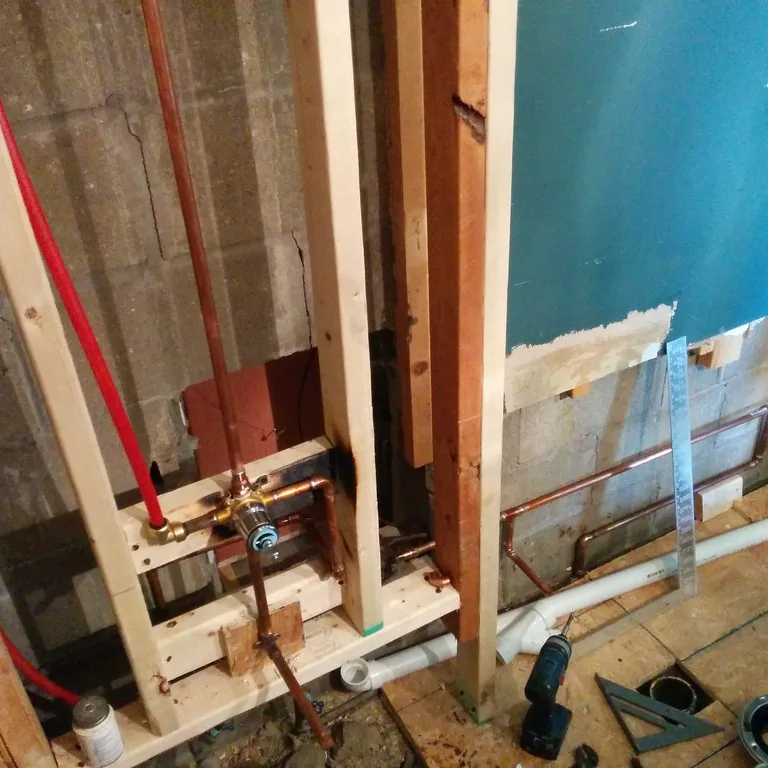
New red PEX and copper pipes run through open wall framing during a repipe

10+Years helping homeowners get it fixed

  • Water back each nightAsk for a working bathroom and kitchen sink at the end of every day.
  • Permit and inspectionPulled by the plumber, checked by the City before walls close.
  • Patching in the priceKnow whether drywall, paint and texture are included up front.
  • PEX or copper, your callThe pros and cons of each, laid out before you decide.

Warning signs

Signs Your Home Needs Repiping

One leak is a repair. These are the signs that the pipes as a whole are past their best, and what each one usually points to.

Call (229) 544-0276
  1. Brown, rusty or yellow water

    Galvanized steel pipe rusting from the inside. It's often worst first thing in the morning, after water has sat in the lines overnight. That pipe still turns up in older East End homes.

  2. Low water pressure, worst on the hot side

    Rust and scale narrowing old galvanized pipe, a little more every year, until a shower barely runs.

  3. Pinhole leaks, again and again

    Copper thinning from the inside. Once a few pinholes show up, more of the same pipe is usually close behind.

  4. Gray, flexible plastic pipe

    Polybutylene, most likely installed from about 1978 into the mid-1990s. It's the most common reason for a repipe. Plenty of Wood Valley houses were plumbed in those years.

  5. An insurer or inspector flagged the pipes

    Polybutylene or galvanized that a policy won't cover or a buyer won't accept. A repipe price settles the question.

  6. Slab leaks that keep coming back

    The whole system is wearing out at once. Rerouting the water lines overhead ends the cycle. Slab leak repair

Gray plastic pipe

Polybutylene Pipe Replacement

Polybutylene was a low-cost plastic water pipe used in several million US homes from about 1978 into the mid-1990s. The leaks it became known for were linked to the pipe breaking down from the chlorine in treated tap water, and they ended in a class-action settlement of about $1 billion.

It fails from the inside, with little warning. The pipe can look fine right up until a fitting or a section splits, which is why plumbers recommend replacing the whole system rather than fixing leaks one at a time.

Some insurers won't cover a home with polybutylene, or charge more to, and it comes up on home inspections. If you're buying, a repipe price from a plumber gives you a real number to negotiate with.

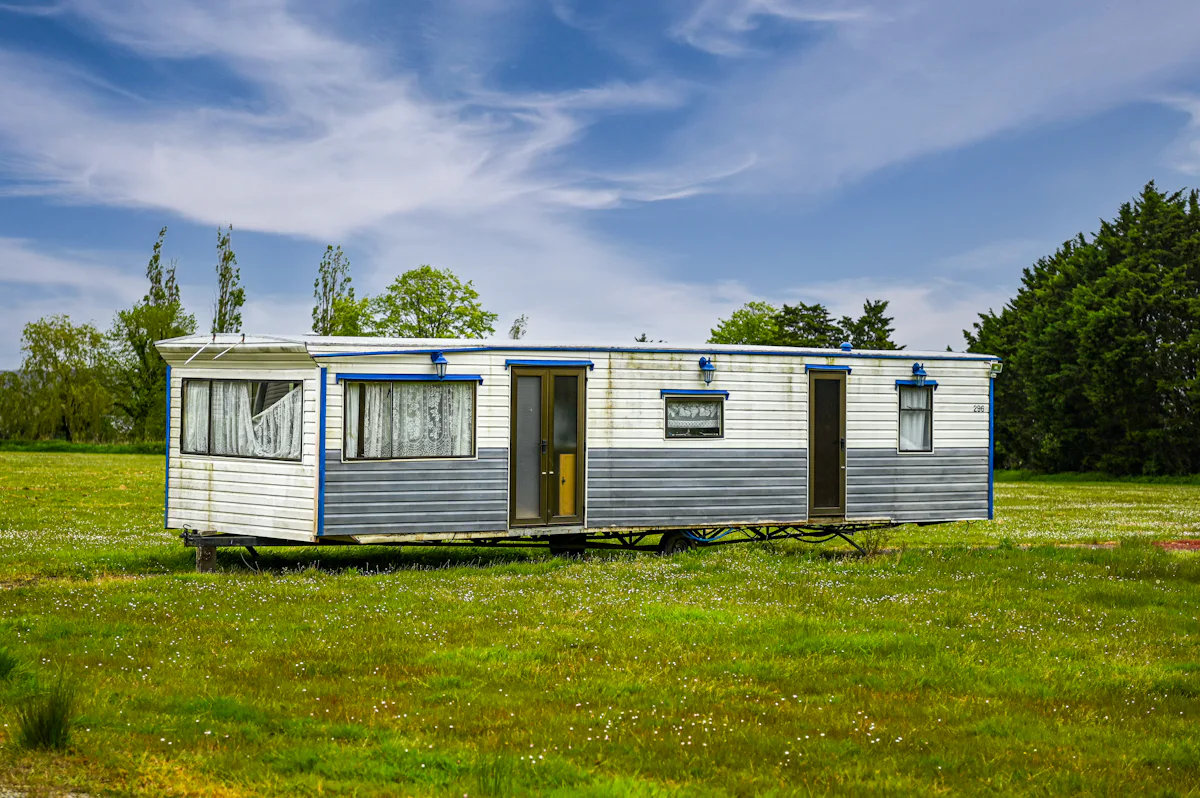
A mobile home in a grassy field
Mobile homesManufactured homes from the 1980s and early '90s often used polybutylene too, run under the floor inside the belly insulation. Ask whether a price replaces the lines all the way up to every fixture, or stops at the floor and leaves the old pipe inside.
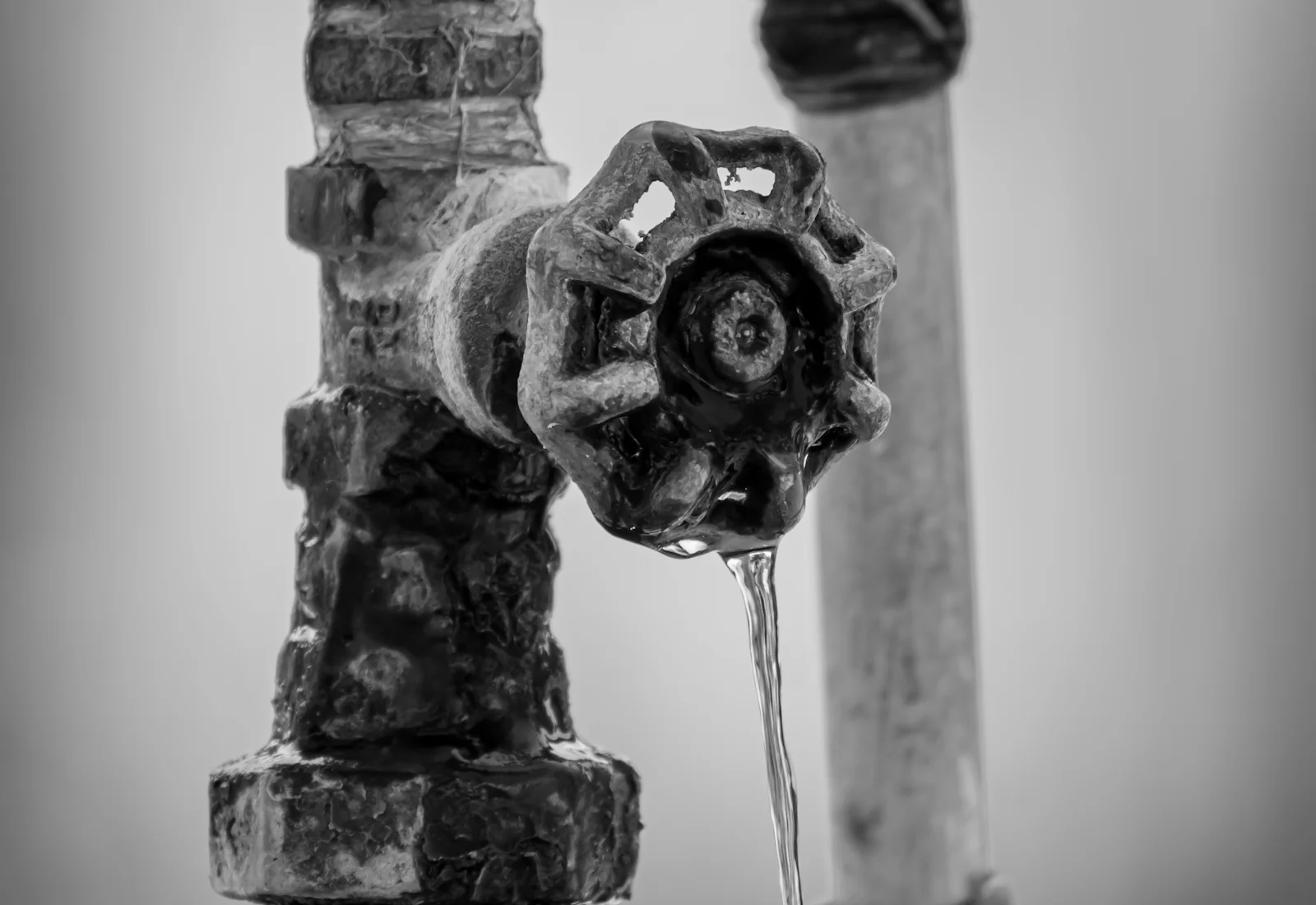
An old, rusty outdoor valve with a wheel handle, dripping water

Rust inside the walls

Galvanized Pipe Replacement

Galvanized steel water pipe, coated in zinc, was standard in many older homes. Over decades the coating wears away and rust builds up inside, narrowing the pipe a little more every year.

  • Brown or yellow water, especially after it sits overnight
  • Weak pressure, worst on the hot side and at the far end of the house
  • Rust flakes clogging faucet aerators and showerheads

Old galvanized fittings get brittle, so a small repair can turn into replacing pipe until the plumber reaches solid metal. Where galvanized joins copper without the right fitting, the two metals corrode each other at the joint.

Pipe repair in Valdosta

Choosing new pipe

PEX vs. Copper vs. CPVC

All three are approved for drinking water under the plumbing code. Most repipes today use PEX, but the right choice depends on the house and the budget.

PEX

Flexible plastic tubing that bends around corners, so it needs fewer fittings and fewer wall openings. PEX-A uses expansion fittings that the pipe shrinks back onto; PEX-B usually uses crimp rings. It handles the occasional freeze better than copper.

Best for
Most homes, especially where new lines have to be fished through finished walls.
Watch for
Keep it out of direct sunlight, and ask for as few hidden joints as possible.

Copper

Rigid metal pipe joined with solder or press fittings, with the longest track record of the three. Type L has thicker walls than Type M and is the one to ask for in a repipe.

Best for
Owners who want metal pipe, and homes with open framing or easy access.
Watch for
Costs the most, needs more wall openings, and some water pits it from the inside over time.

CPVC

Rigid plastic pipe joined with solvent cement. It costs less than copper and won't rust or pit.

Best for
Tight budgets, or matching CPVC already in the house.
Watch for
It turns brittle with age and heat, so old CPVC can crack when it's disturbed.

Three things worth asking for

Crimp or expansion fittings in walls

Push-fit fittings are handy for repairs you can see. Inside a closed wall, ask for crimp or expansion fittings instead.

A manifold

A manifold sends its own line to each fixture, with fewer joints in the walls and a shut-off valve for each one.

New shut-off valves

Every sink and toilet gets a fresh shut-off valve, so the old seized ones don't become the next leak.

Start to finish

What Happens During Repiping in Valdosta, GA

Most of the disruption is in the first few days. Here's the usual order, so nothing comes as a surprise.

Do you have to move out?

Usually not. Ask for one bathroom and the kitchen sink working at the end of each day, and plan for some noise and dust.

Contact City of Valdosta Inspections.

  1. Walkthrough and a written price

    The plumber counts fixtures, checks the attic and crawl space, and plans where the new lines will run. Get the price in writing, with drywall patching spelled out.

  2. The permit

    In the City of Valdosta, changing a plumbing system takes a permit, and contractors buy plumbing permits from the City. Georgia law doesn't let a homeowner buy a permit for someone else's work, so a plumber who asks you to pull it is a red flag.

  3. Prep

    Furniture near the work is moved and covered, and sink cabinets are emptied so the crew has room to work.

  4. New lines go in

    New pipe runs through the attic, crawl space or walls, reaching each sink, toilet and shower through small openings at each fixture. The old pipes are usually cut off and left in place.

  5. Switch-over and pressure test

    The water goes off while the new system is tied in at the main and the water heater, then the lines are pressure tested. Ask for water back on by evening.

  6. City inspection

    The openings stay open until the inspector checks the new piping against Georgia's plumbing code, the International Plumbing Code with state amendments. That's why walls can sit open for a few days after the plumbing is finished.

  7. Patch and clean up

    Drywall patches go in once the inspection passes. Ask whether paint and texture are included or left for you.

Repiping costs

What Affects Repiping Cost

Two houses with the same square footage can be very different repipes. These four things set most of the price.

Fixtures and bathrooms

Each sink, toilet, tub, shower, washer and hose bib needs a line to every one. More bathrooms means more pipe and more openings.

Access

A one-story house over a crawl space is the simplest job. A slab, a second story or finished ceilings below means more openings to make and patch.

Pipe material

Copper costs more in material and labor than PEX. CPVC sits in between.

Patching and extras

Drywall, paint, new valves, a pressure regulator and the water line from the meter are often priced separately.

Comparing repipe quotes? Ask these

Repipe prices vary more than most jobs because each quote includes different things. These questions line them up.

  • How many fixtures does this price cover?
  • PEX-A, PEX-B or copper, and which fittings?
  • Is drywall patching included? Paint and texture?
  • Will we have a working bathroom every night?
  • Is the permit included, and do you pull it?
  • Does it include the water heater connections and the line from the meter?

Questions

Repiping FAQ

Polybutylene, PEX versus copper, how long the job takes, and whether you'll need to stay somewhere else while it's done.

Call (229) 544-0276
How do I know if my house has polybutylene pipes?

Look where pipes leave the wall under sinks and at the water heater, and in the crawl space or attic. Polybutylene is flexible plastic, usually gray, often stamped PB2110, with copper or aluminum crimp rings or plastic fittings at the joints. Homes built from about 1978 into the mid-1990s are the most likely to have it.

How much does it cost to repipe a house?

It depends on the number of fixtures and bathrooms, how easy the lines are to reach, the pipe material, and whether drywall patching is included. A one-story home over a crawl space is usually the simplest. Call with your home's details and you'll hear a price before anyone opens a wall.

How long does it take to repipe a house?

Most homes take one to three days of plumbing work, with the water off for part of that time. Add a few days for the City inspection and drywall patching, which come after the plumbing.

Is PEX or copper better for repiping?

Both work. PEX costs less, needs fewer wall openings and handles the odd freeze better. Copper has the longer track record and suits owners who want metal pipe. Most repipes today use PEX.

Do I have to move out during a repipe?

Usually not. Ask the plumber to restore water to at least one bathroom and the kitchen sink at the end of each day. Expect noise, some dust and a few open walls until the inspection is done.

Is PEX the same as polybutylene?

No. Both are flexible plastic, but PEX is cross-linked polyethylene, a different material with its own fittings, and it's approved under today's plumbing code. Polybutylene hasn't been installed as new water pipe in decades.

Is it worth it to repipe a house?

If the pipes are polybutylene, failing galvanized, or copper with repeat pinhole leaks, usually yes, because one flood can cost more than the repipe, and new pipe can help with insurance and resale. If the pipes are sound and the problem is one bad joint, a pipe repair makes more sense.

What is the cheapest way to repipe a house?

PEX, run through the attic or crawl space with as few wall openings as possible, is usually the lowest-cost option. Repiping while walls are already open for a remodel saves the most on patching.

Should I buy a house with polybutylene pipes?

Plenty of buyers do, with a plan. Get a repipe price before closing, confirm your insurer will cover the home, and use that number in negotiations.

Does a repipe include the water line from the meter?

Not always. The buried line from the meter to the house is often priced separately, so ask. If it's old galvanized or polybutylene too, replacing both at once can make sense. See water line repair.

Keep reading

Ready to Replace Old Pipes? Call Us Now

Polybutylene, galvanized or worn-out copper. Describe your home and get a price.

Call (229) 544-0276
Call (229) 544-0276