Skip to content
Plumber Valdosta Fix

Valdosta, GA · Valves, pans, tubs & drains

Shower & Tub Repair in Valdosta, GA

Most calls for shower repair in Valdosta begin with water somewhere it shouldn't be, a stain on the ceiling under the bathroom, a puddle beside the tub or a drip that runs all night. Behind it is usually one of three things, the valve in the wall, the pan or base under your feet, or the drain. Call Plumber Valdosta Fix with what you're seeing, and a local plumbing pro can talk through which one it sounds like before anything comes apart. Water coming through a ceiling? Turn the shower off and call now.

Say where the water shows up and hear what it likely is before any tile comes off.

  • 120°FGeorgia's cap on a shower valve's hottest setting
  • $0To call. You only pay for work you approve
  • 10+Years helping homeowners get repairs done
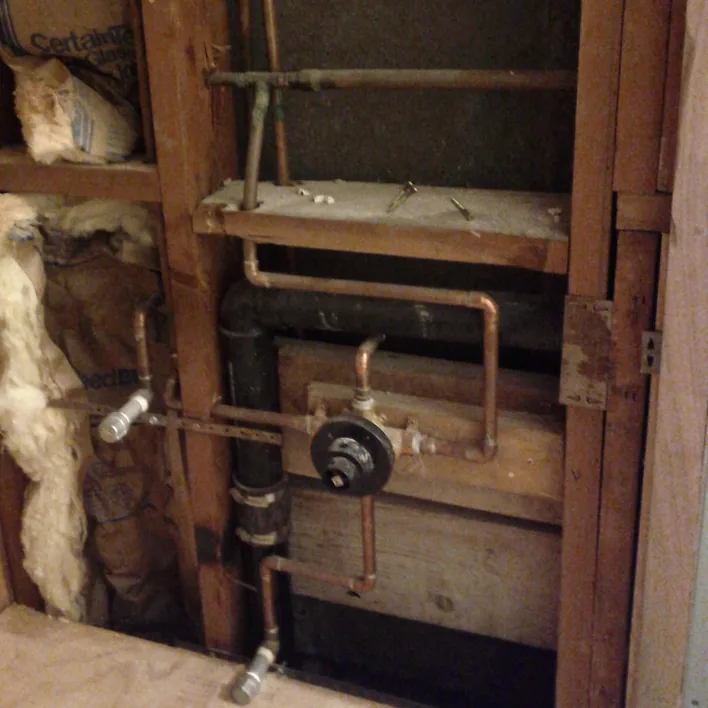
Shower repair behind an open wall, with the shower valve and its copper pipes

10+Years helping homeowners get it fixed

  • Leaks traced firstValve, pan or drain, pinned down before tile comes off.
  • Steady temperatureOld valves swapped for ones that hold the setting.
  • Tub to showerDrain and valve changes made before the walls close.
  • Price talked throughSome jobs priced on the call, others after a look.

Start with the water

What Shower Repair in Valdosta, GA Usually Turns Out to Be

Where the water shows up says more than anything else about what failed. Match what you're seeing before anyone picks up a tool.

Call (229) 544-0276

A stain on the ceiling below the bathroom

The pan or base, the drain connection under it, or the valve. Shower water only escapes while the shower is in use, so a stain that grows after long showers points here.

Worth a lookLeave the shower unused for two days. If the stain dries out, the supply pipes are probably fine.

Water inside the wall or a closet behind it

The valve body, or the joint where the shower arm threads into the pipe behind the head. A new cartridge won't stop a leak from the valve itself.

Worth a lookFrom the closet side or an access panel, run the shower for a few minutes and watch the pipes with a flashlight.

A puddle outside the tub or shower

Most often the curtain or door, worn caulk at the corners or cracked grout. A loose seal under a fiberglass base is less common but harder to spot.

Worth a lookLook along the line where the tub meets the wall. Gaps, or caulk gone soft and dark, let water get behind the tub.

Drips that keep going long after it's off

A cartridge that no longer seals. A minute or two of drips is only water draining from the head, and a big rain head holds more of it.

Worth a lookSet a cup under the head. If it's still collecting water an hour later, the cartridge is the likely cause.

Hot or cold swings when a toilet flushes

An older valve with no pressure balancing, or the balancing part inside a newer valve that's sticking.

Worth a lookNotice whether it happens on every flush, and whether the valve has one handle, two or three.

Water standing around your feet

Hair and soap caught in the trap, or a clog farther down the drain line.

Worth a lookIf the tub and the toilet gurgle together, the trouble may be in the main line rather than the shower.

Valve, pan or drain

Three Quick Checks Before Anything Comes Apart

These are rough checks, not a diagnosis. They narrow things down before anyone opens a wall or lifts a tile.

  1. Into the drain only

    Pour a bucket or two straight into the drain without wetting the floor. A leak below now means the drain connection.

  2. Across the floor only

    Pour water across the shower floor, away from the drain opening, and give it ten minutes. A leak now points to the shower pan, the base or the liner under the tile.

  3. With the valve running

    If both stay dry, run the shower for ten minutes with the head aimed at the drain. Water in the wall this time points to the valve or the shower arm.

Plumbers call it the hose test, since a garden hose run into the drain or across the floor does the same job as the bucket.

Too hot, too cold

When the Shower Scalds Every Time Someone Flushes

It's one of the oldest complaints in older houses, and it has a real fix.

An older two-handle or three-handle valve simply mixes whatever hot and cold water reach it. When a toilet refills, it pulls cold water away from the shower, and the mix turns hot within a second. That swing matters most with small children or older adults in the house.

Newer valves balance pressure or temperature, so the mix holds. Georgia's plumbing code calls for a balanced-pressure, thermostatic or combination valve on every individual shower and tub-shower, with a way to cap its hottest setting at 120°F. On most single-handle valves that cap sits behind the handle and gets adjusted to the maker's instructions, so a newer shower that runs too hot or not warm enough may only need a setting changed.

If a three-handle shower only drips, new seats and stems may be all it needs. Replacing the valve is the answer when it scalds, leaks inside the wall or has no parts left.

Saving the tile

Getting to the Valve Without Wrecking the Tile

Most shower valves sit behind tile, fiberglass or a solid surround. How the plumber gets to it shapes the whole job.

Best case, there's a closet, hallway or bedroom on the other side of the wall. Drywall there is quick to open and patch, and some homes already have an access panel waiting.

From the shower side, the opening can often stay inside the area a trim plate covers. New valves tend to ship with smaller round or square plates than the big oval ones on older valves, so a wider remodel plate is common when an old valve comes out.

What's under the floor matters too. In a house on piers with a crawl space, the drain and the lines feeding the shower can often be reached from below. On a concrete slab, the drain sits in the concrete, so drain work means opening the floor from above. Valdosta has both kinds of house, so it helps to say which yours is when you call.
Tub swaps & conversions

Swapping a Tub or Converting to a Shower? The Plumbing Goes First

A conversion is mostly carpentry, waterproofing and tile, but the plumbing has to be right before any of that goes in.

  1. Decide on the valve

    The old valve can stay with the tub outlet capped. With the wall open, though, a new balancing valve will never cost less to put in.

  2. Set the heights

    A shower-only valve usually sits higher than one over a tub, and the pipe up to the head may need extending.

  3. Move the drain

    A shower drain rarely lands where the tub drain was. On a raised floor it's reached from below. On a slab, the concrete gets opened around it.

  4. Set the base or pan

    The base goes in level and fully supported, and a tiled pan gets a flood test before any tile goes down.

  5. Then walls and tile

    Waterproofing, the surround or tile, and last of all the trim, the head and the door.

Who does which part

Conversions are often run by a remodeler or tile contractor, with a plumber handling the drain, the valve and the supply lines. If the plumbing is the piece you need, or the remodeler doesn't have a plumber lined up, one call covers that part of the job.

Moving a drain or setting a new valve can call for a City plumbing permit. The City's posted fee schedule, a March 2021 file, lists a $50 minimum per permit and $10 per fixture for a home, so confirm current fees and ask whether the permit is in the price.

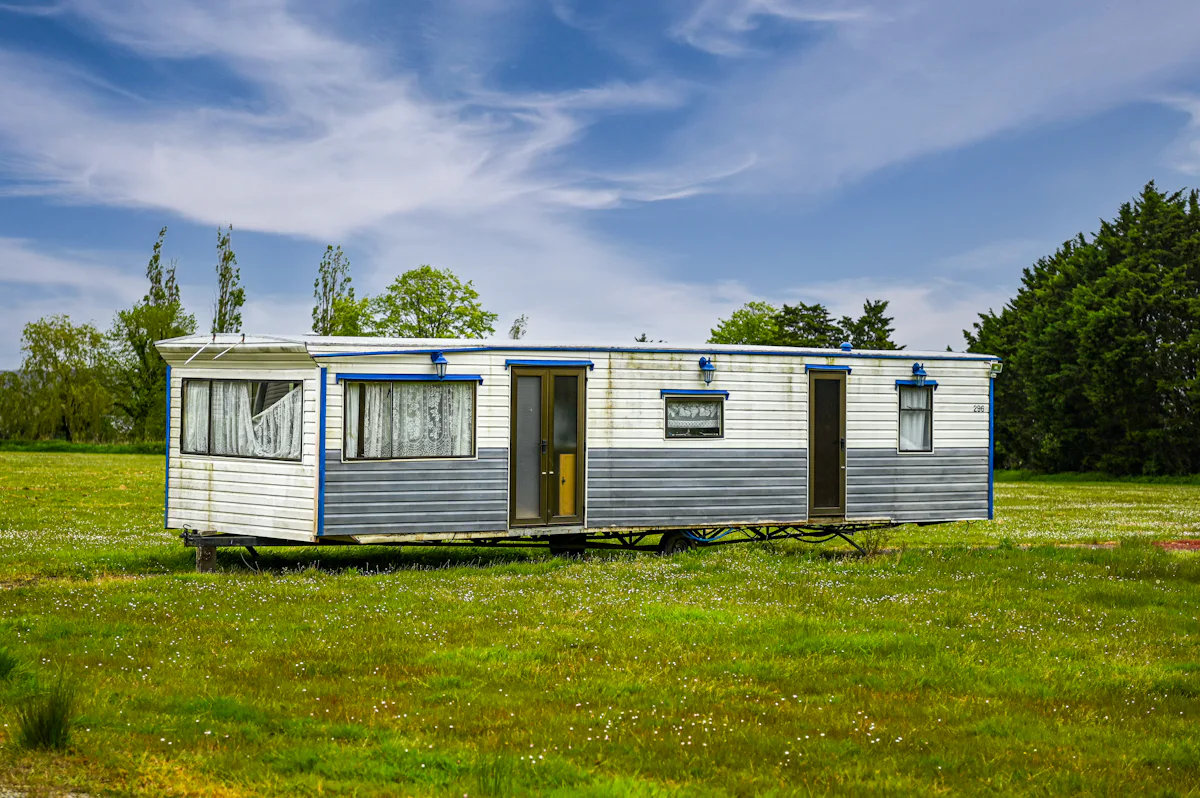
A single-wide mobile home on a grassy lot

Mobile and manufactured homes

A manufactured home often uses tub and shower valves and drains made for that kind of home, and some have an access panel on the other side of the wall. Those parts come from mobile home suppliers more than the regular hardware aisle, so mention it's a manufactured home when you call.

Before work starts

Before Anyone Opens a Wall

Three things move the price of shower work, and a few questions make two quotes easy to compare.

What failed

A cartridge, a valve body, a pan and a drain are each a different job, from a short visit to several days with other trades involved.

How it's reached

Working through an access panel or a closet wall takes less than working through tile, and a slab adds work to any drain change.

When it's leaking

Water coming through a ceiling can't wait, and an after-hours visit costs more than a weekday one.

Questions worth asking

Straight answers here separate a quick fix from a job that really needs the wall open.

Plumbing costs around Valdosta
  1. What exactly failed, the cartridge, the valve, the pan or the drain?
  2. Can it be reached from an access panel or the other side of the wall?
  3. If the tile or wall has to open, who closes it back up, and is that in the price?
  4. Is the new valve a balancing type, and are its parts sold locally?
  5. Does this job need a City permit?
  6. If a whole new shower is the suggestion, why won't a repair do?

Questions

Shower and Tub Repair FAQ

Drips, leaks behind the wall, showers that scald, valve swaps that spare the tile, and tub to shower conversions.

Call (229) 544-0276
Why does my shower keep dripping after I turn it off?

A minute or two of drips is usually just water draining from the head, or from the pipe above the tub spout, and a large rain head holds more of it. Drips still going an hour later mean the cartridge inside the valve has stopped sealing, and a new one usually ends it.

Can a shower valve be replaced without tearing out the tile?

Often, yes. With a closet or another room behind the shower wall, the work can happen from that side and the drywall gets patched afterward. From the shower side, the opening can usually stay small enough for a trim plate to cover, sometimes a wider remodel plate.

Why does the shower turn scalding when someone flushes?

Refilling the toilet tank pulls cold water away from the shower, so the mix swings hot. Valves that balance pressure or temperature hold the mix steady, and Georgia's plumbing code calls for one on shower and tub-shower valves. Older two- and three-handle valves don't have one.

Who handles a tub to shower conversion, a plumber or a contractor?

Usually both. A remodeler or tile contractor often runs the job, while the drain, valve and supply line changes are plumbing work done before the walls close. If the plumbing part is what you need, or you want it lined up before choosing a remodeler, call and talk it through.

Should the shower valve be replaced during a remodel?

In most cases. With the wall open, a new valve takes far less work than it ever will again, and it brings pressure balancing and fresh parts. An old valve kept behind new tile means opening that tile later if it fails.

Is a leaking shower an emergency?

When water is coming through a ceiling or near a light fixture, yes. Stop using the shower, switch off that circuit at the breaker and call right away. A slow leak that only shows after showers can usually wait for a weekday visit, as long as the shower sits unused until then.

Why does water come out of the tub spout and the shower head together?

The diverter that sends water up to the head is worn. On a spout with a pull-up knob, a new spout is a quick swap. A diverter built into the valve takes a part from that valve's maker.

What does shower repair cost?

It depends on what failed and how it's reached. A cartridge is a short visit, a valve behind tile is a bigger job, and a pan or a conversion is bigger again. Some shower jobs can be priced on the call and others need a look first, and either way nothing starts until you agree to the price. How Valdosta plumbing jobs get priced

Keep reading

Shower Leaking or Scalding? Call Today

Valve, pan, drain or a tub on its way out. Say what the shower is doing and talk the job over before anything comes apart.

Call (229) 544-0276
Call (229) 544-0276