Water heaters
Tired of Waiting for Hot Water? What a Recirculation Pump Does
You turn on the shower, and then you stand there. In a long house, hot water can take a minute or more to reach the far bathroom, and all that cold water goes down the drain while you wait. A hot water recirculation pump fixes that by keeping warm water close to your faucets, and there's more than one way to set one up.
Last updated Published by Plumber Valdosta Fix
Why the Wait Is So Long
The water in your water heater is already hot. What you're waiting on is the water sitting in the pipe between the heater and the faucet, which cooled off since it was last used. It all has to flow out before the hot water behind it arrives. Four things decide how long that takes.
- Distance. A water heater in the garage at one end of a long one-story house can be 60 feet or more from the far bathroom, and every foot of pipe in between is full of water that cooled off since the last time someone used it.
- Pipe size. A 3/4-inch line holds about twice as much water per foot as a 1/2-inch line, so it takes about twice as long to empty.
- Slower faucets. Newer faucets and showerheads use less water, which is good for the bill, but they push the cooled water out of the pipe more slowly.
- Cold pipes. The first warm water spends its heat warming the pipe itself, especially lines that run through a crawl space, an attic or under a slab in winter.
Put those together and the numbers add up fast. Fifty feet of 3/4-inch pipe holds more than a gallon of water, and at a typical bathroom faucet that's close to a minute before anything warm shows up. The EPA's WaterSense program uses this same idea for new homes, and it asks builders to keep no more than half a gallon of water between the hot water source and any fixture.
Tankless Heaters Add Their Own Delay
A tankless water heater doesn't keep hot water waiting. It fires up only when enough water flows through it, then takes a few seconds to heat. That start-up time comes on top of the water already sitting in the pipes. If you have tankless water heaters in Valdosta in mind, ask whether the model has a recirculation pump built in, or which pump its maker approves, since a pump that moves too little water may not even turn the heater on.
How a Recirculation Pump Works
Instead of sending that cooled water down the drain, a recirculation pump sends it back to the water heater to be heated again. Hot water moves up the line toward your faucets in its place. When the water at the far end reaches the temperature you set, a control shuts the pump off. ENERGY STAR describes it the same way, and notes that it saves water and energy compared with running the tap until it's warm.
Three Ways to Set One Up
- A dedicated return line. A separate pipe runs from the farthest fixture back to the water heater, making a loop, and the pump sits at the heater. It works the best, and it's easiest to add in new construction or during repiping. In a finished house, that new pipe has to snake through the attic, under the floor or inside walls.
- A crossover valve under the farthest sink. Most houses don't have a return line, so this setup uses the cold water pipe as the way back. A small valve under the farthest sink lets cooled water from the hot side flow into the cold side and back to the heater. No new pipe is needed. The catch is that the cold tap at that sink can run a little warm for a few seconds.
- An on-demand pump. Either setup can run on demand. You press a button, wave at a motion sensor or tap an app a minute before you need hot water, and the pump shuts off once the water at the far end is warm. This uses the least energy.
Timers, Buttons and Wasted Heat
A pump that runs all day keeps the hot line warm all day, and that heat leaks out of the pipes the whole time. ENERGY STAR warns that a system running nonstop can use more energy than it saves. So most people put the pump on a timer for the busy hours, like early morning and evening, or use the on-demand button.
- Set a timer around your real routine. Thirty minutes before the morning showers covers most families.
- Let the built-in temperature control do its job. It stops the pump once the line is warm.
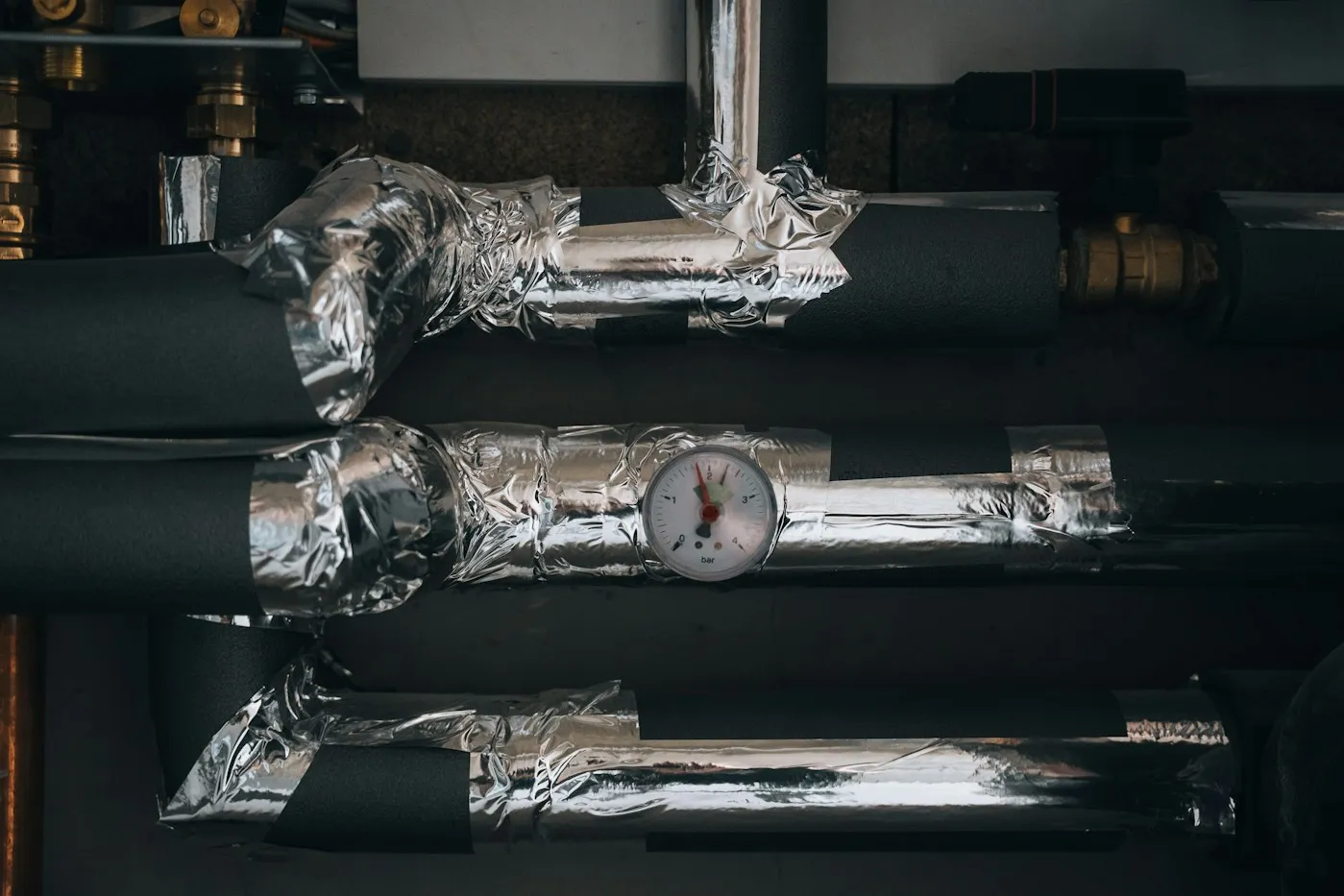
- Insulate the hot lines you can reach, especially in the attic or crawl space, so the water stays warm between uses.
Other Fixes Besides a Pump
A pump isn't the only answer, and sometimes it isn't the best one.
- A second, smaller heater. A small point-of-use tankless unit under a far sink, or a little tank in a closet, puts hot water right where it's used. It's a common fix in older buildings, like a bathroom over a shop Downtown.
- Move the water heater. When the old one is due for water heater replacement anyway, moving it closer to the bathrooms shortens every wait.
- New lines during a repipe. A plumber can size and route the new pipes so less water sits in them, and add a return line while the walls are open.
- For the kitchen only. An instant hot water dispenser at the sink gives you near-boiling water for tea or cooking without waiting at all.
Is a Recirculation Pump Worth It?
It usually is when the wait at a fixture you use every day runs past half a minute, when someone in the house runs the shower for a long time before getting in, or when the water heater sits on the opposite side of the house from the bedrooms.
It usually isn't when the water heater is near the middle of the house, the wait is a few seconds, or the far bathroom is a guest bath nobody uses most days.
The price depends on which setup your house needs. An under-sink valve kit is the lighter job and a new return line the bigger one, and a tankless system may need a specific pump. If the hot water seems slow everywhere, not just far away, the heater itself may need water heater repair first.
Tell Plumber Valdosta Fix how long you wait, which fixture is the worst, and what kind of water heater you have. A plumbing pro can say which setup fits and how it would be priced before anything is installed.
Call (229) 544-0276Questions
Recirculation Pump Questions
Whether it's worth it, downsides, cost, tankless heaters, your bills and doing it yourself.
Call (229) 544-0276Are hot water recirculating pumps worth it?
They are when you wait more than half a minute for hot water at a fixture you use every day, like the shower in a far bathroom. If the water heater sits near the middle of the house and the wait is a few seconds, a pump won't change much.
Does a recirculation pump have any drawbacks?
It uses some electricity, and one that runs around the clock loses heat from the pipes all day. With a crossover valve, the cold tap at the far sink can run warm for a few seconds. The check valves that keep water flowing the right way can also stick over time and need replacing.
What does it cost to add a recirculation pump?
It depends on the setup. A pump with an under-sink valve is a quicker install than running a new return line through the house, and a tankless heater may need a pump made for it. On the call, ask how your setup would be priced. A kit under one sink is simple to quote, while a new loop through the house takes a visit to plan.
Does a recirculation pump work with a tankless water heater?
Often, but not with just any pump. Some tankless models have a pump built in, and others need one their maker approves, since too little flow can keep the unit from firing. Check the model before buying a kit.
Will a recirculation pump lower my water bill?
It cuts the water you send down the drain while you wait, so water use goes down. The electric side depends on how it runs. A pump on a timer or a button costs little to run, while one that runs nonstop can use more energy than it saves.
Can I install a recirculation pump myself?
Under-sink kits are sold for homeowners, and they need an outlet nearby. The tricky parts are matching the pump to your water heater, setting the temperature control and making sure the valves keep water flowing the right way. A plumber can do the install and check it in one visit.