Water bills
What's the Average Water Bill in Valdosta, and Why Did Mine Jump?
Opening a bill that's twice what you expected is a lousy feeling. Before you blame a leak, it helps to know what the average water bill in Valdosta looks like, what's actually on it, and the handful of things that make it climb. After that, a few quick checks tell you whether it's a leak, the meter or just the billing.
Last updated Published by Plumber Valdosta Fix
Who Sends Your Water Bill?
Most homes inside the city get water and sewer from the City of Valdosta. Not every Valdosta address does, though. Outside city limits, water may come from Lowndes County, a small private water company or your own well, and those bills work differently. A well has no water bill at all, but the pump adds to your power bill.
The numbers below are for City of Valdosta bills. The leak checks further down work for everyone.
What's on a City of Valdosta Bill
A City bill has two plumbing-related charges, water and sewer, and each one has two parts.
- A base charge of $11.57 a month for water and another $11.57 for sewer, even if you use almost nothing.
- A usage charge for every 100 cubic feet of water your meter records, which is about 748 gallons. Water costs $1.81 per 100 cubic feet, and sewer costs $3.63, about twice as much.
That's why the sewer line is usually the biggest number on the bill. Garbage pickup and a stormwater fee show up on the bill too. These rates took effect August 1, 2025, when the City raised water, sewer and garbage rates by 8 percent. The City doesn't charge more in summer.
| Used in a month | Water | Sewer | Both |
|---|---|---|---|
| 3,000 gallons | $19 | $26 | $45 |
| 6,000 gallons | $26 | $41 | $67 |
| 10,000 gallons | $36 | $60 | $96 |
Water and sewer only, at the in-City rates from August 2025, rounded to the dollar. Garbage pickup and the stormwater fee are extra, and rates can change, so check your own bill.
So What's Normal?
There's no single right number. A retired couple and a family of five with a big lawn will never have the same bill. The best yardstick is your own bills from the same time last year.
The EPA offers one handy rule. In a winter month, when nobody's watering the yard, a family of four using more than 12,000 gallons may have a serious leak. Summer bills run higher here because of sprinklers, pools and extra showers, and nationwide about 30 percent of household water goes outside.
Every extra 1,000 gallons adds about $7 to a City bill, counting water and sewer. A small leak wasting 50 gallons a day adds around $11 a month, and a bad one adds far more.
Why Did My Bill Jump?
Go through these before you call anyone. The first three are billing questions, and the rest are about water actually being used.
- The bill covers more days. Check the service dates first. A bill that covers 40 or more days will look big even if nothing changed. While the City switched meter systems in 2025, some bills came late and covered longer stretches, and the City said no late fees would be charged during the switch.
- You got a new meter. The City has been replacing meters across town. Old meters tend to slow down with age and read low, so the first bills on a new one can look higher. If your bill jumped right after a meter swap, ask the City to check the reading.
- The reading was estimated or wrong. Compare the reading on your bill with the number on your meter. If the bill is higher than the meter, that's a billing question, not a plumbing one.
- A toilet is running. This is the most common cause by far. A worn flapper can leak into the bowl all day without a sound, and it adds up to thousands of gallons.
- The sprinklers are leaking or running long. A broken head or a cracked line usually leaks while the system runs at night, when nobody's watching.
- Something else changed. Filling a pool, houseguests, a water softener stuck refilling itself, or the water heater's relief valve leaking down its pipe can all add up.
The Meter Test That Tells You If It's a Leak
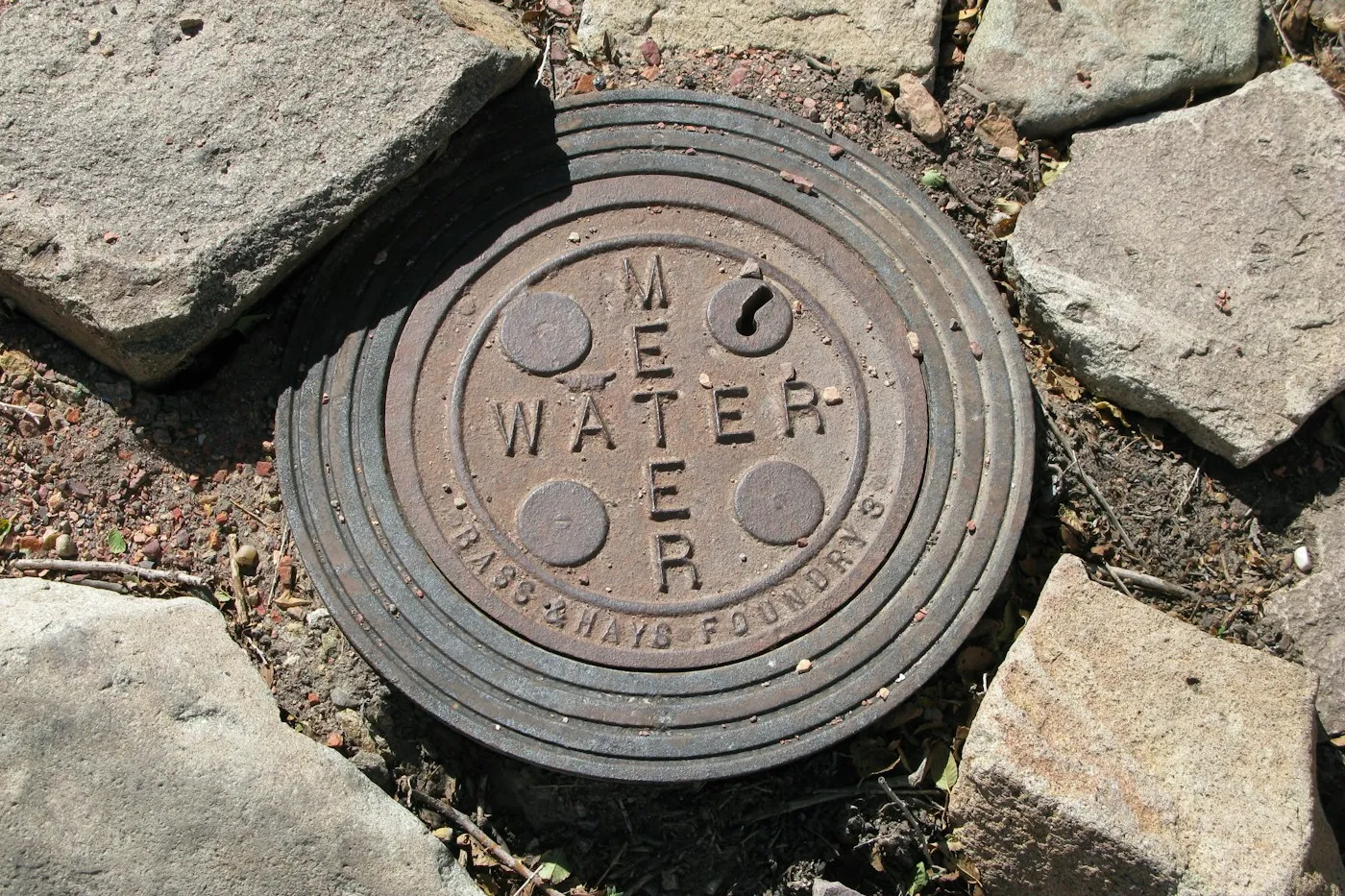
Your meter is the most honest witness you have. It's under a lid in the yard, most often close to the street. Lift the lid with a screwdriver or a stick, not your fingers, since fire ants, spiders and the occasional snake like meter boxes as much as anyone.
- Turn off every faucet and anything that uses water, including the sprinklers, the ice maker and the washer. Wait until the toilets stop refilling.
- Write down the number on the meter, or take a photo. Many meters also have a small triangle or dial that spins when even a little water is moving.
- Wait at least 15 minutes without using any water. The EPA suggests two hours for the slowest leaks.
- Check again. If the number changed or the little dial moved, water is going somewhere.
If your home already has one of the City's new smart meters, the City's online customer portal can show your use hour by hour. Look at the middle of the night. If the use never drops to zero while everyone sleeps, something is running.
Next, split the house from the yard. Close your main valve where the pipe enters the house, and watch the meter again. If the meter keeps going, the water is escaping somewhere in the buried pipe out in the yard. If it stops, the leak is inside. Not sure where that valve is? This guide shows how to find the main shutoff.
A leak in that outside line can also make the water feel weak, so it's worth reading why water pressure drops if the bill and the pressure changed together. The meter itself belongs to the City, so look but don't adjust anything.
Finding a Leak Inside the House
- Toilets first. Drip some food coloring into each toilet tank and leave it alone. If color shows up in the bowl within ten minutes, the flapper is leaking. Flush afterward so the tank doesn't stain. A new flapper is cheap, and toilet repair covers it if the parts fight you.
- Listen. With the house quiet, a hiss in a wall or a toilet that refills on its own is a clue.
- Check the usual spots. Under sinks, behind the washer and fridge, and the pipe from the water heater's relief valve, which may run to a drain where you'd never notice a drip.
- Feel the floors. A warm patch on a tile floor can mean a hot water pipe is leaking under the slab. That calls for slab leak repair.
If the meter says water is leaving and you can't find where, that's exactly what leak detection in Valdosta is for. Plumbers use listening gear, pressure tests and cameras to find it without tearing up the house.
Don't Forget the Sprinklers
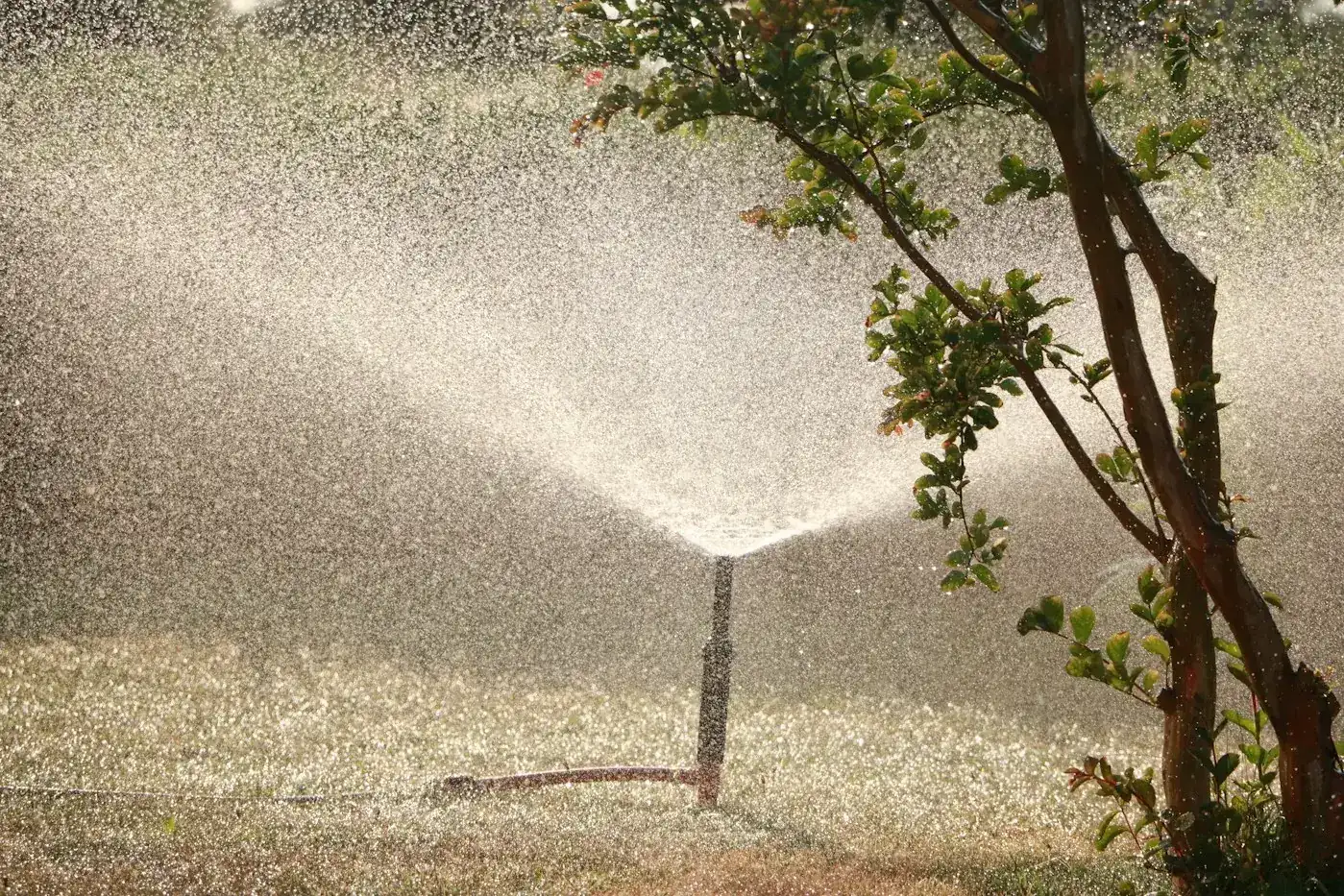
Irrigation is behind a lot of surprise bills, because the system runs at night and a broken part can pour water into the ground for weeks. Run each zone by hand in daylight and walk it. Look for a head shooting water straight up, a puddle that never dries, or a valve box that's always wet.
Sprinkler systems tied to City water also need a backflow preventer, the device that keeps yard water from flowing back into the drinking water. If you're having the system looked at, ask about backflow testing too, since the City expects those tested every year.
When It's Not a Leak
If the meter sits perfectly still and the bill is still way off, the problem is probably on the billing side. Contact the City's Utilities Customer Service Division and have your photos of the meter ready. Ask whether the reading was estimated, how many days the bill covers, and whether they can check the meter. If you did find and fix a leak, ask whether any adjustment is possible.
Water on the floor doesn't always mean a leak, either. On a muggy day it's often sweating pipes or a sweating toilet tank, and that water comes out of the air, so it never turns the meter.
Signs the Leak Is Bigger Than a Flapper
- The meter keeps moving with everything turned off.
- The meter test points to the yard line, or a patch of lawn stays wet in dry weather.
- A floor feels warm, or you hear water running when nothing is on.
- A toilet keeps leaking after a new flapper.
- The bill stays high and you can't find a reason.
Done the meter test and still stumped? Call Plumber Valdosta Fix and share what the meter did. A local plumbing pro can track down the leak and explain how the repair would be priced before anyone cuts or digs.
Call (229) 544-0276Questions
Questions About Valdosta Water Bills
Typical bills, the sewer charge, disputing a bill, summer jumps, running toilets, and who fixes what.
Call (229) 544-0276What is the average water bill in Valdosta?
At the City's in-town rates from August 2025, a home using about 6,000 gallons in a month pays roughly $67 for water and sewer together, before garbage pickup and the stormwater fee. Smaller households often use less, and homes that water a lawn or fill a pool use more. Your own past bills are the best guide to what's normal for you.
Why is the sewer charge bigger than the water charge?
The City charges about twice as much per 100 cubic feet for sewer as it does for water. Both are figured from the water that passes through your meter, so every gallon shows up on both lines.
How do I dispute a high water bill?
Start with the facts. Check the service dates, compare the reading on the bill with your meter, and do the meter test. Then contact the City's Utilities Customer Service Division with photos of your meter readings and ask whether the read was estimated, whether they can check the meter, and whether they offer any adjustment once a leak is fixed.
Why are my water bills higher in the summer?
The City doesn't charge a higher rate in summer, so a summer jump comes from using more water. Sprinklers, topping off a pool, washing cars and extra showers after yard work all add up. Nationwide, about 30 percent of household water goes outdoors, and in a hot summer it can be more.
Can a running toilet really raise my bill that much?
Yes. At the City's in-town rates, every extra 1,000 gallons adds about $7 to a bill, counting water and sewer. A toilet that runs or leaks quietly all month can waste several thousand gallons, so it adds up fast. Food coloring in the tank will tell you in ten minutes.
Who fixes a leak between the meter and the house?
The homeowner. The City's responsibility stops at the meter, and everything after it is yours. A plumber finds the leak in the yard, digs a small hole and repairs or replaces that section of pipe.