Drains
Getting Rid of a Smelly Drain in the Sink or Shower
A smelly drain can make a clean bathroom or kitchen feel dirty. Most of the time, the smell isn't coming from the sewer at all. It's coming from slimy gunk stuck inside the drain itself, and you can clean most of it out with a few cheap tools and a little patience.
Last updated Published by Plumber Valdosta Fix
First, Make Sure It's the Drain
Before you clean anything, fill a glass with water from the faucet, carry it to another room and smell it. Away from the sink, you're smelling the water, not the drain.
- The glass smells fine. The drain is the problem. Keep reading.
- Only the hot water smells like rotten eggs. That's the water heater. A metal rod inside the tank can react with bacteria in the water, and swapping it often fixes the smell. It's part of a normal water heater repair.
- Hot and cold both smell, and you're on a well. That's usually sulfur in the well water, and a filter on the line where the water comes in takes care of it. See well water treatment.
The Slime Inside the Drain
Soap, toothpaste, skin, hair and bits of food stick to the inside of a drain and form a slimy layer. Plumbers call it biofilm. Bacteria live in it, and that's the musty, rotten smell. It builds up on the stopper, in the first few inches of pipe and in the U-shaped trap under the sink.
- Pull the stopper. Many bathroom stoppers lift or twist out. Others are held by a rod and a nut under the sink, which you loosen by hand. Scrub the stopper with an old toothbrush and dish soap.
- Push a cheap plastic drain strip, the kind with little barbs, down the drain and pull it back up. Whatever comes out with it is what you were smelling.
- Flush with very hot tap water. Skip boiling water, which is hard on plastic pipe joints and older porcelain.
- Still smells? Clean the trap. Set a bucket under it, loosen the two large nuts by hand, take the U-shaped piece off, scrape it out, rinse it and put it back. Run water and check for drips.
Baking soda and vinegar fizz in an impressive way, but they mostly help with a light film. The scrubbing does the real work. Older houses with metal drain pipes, like many older homes in the East End, can hold more gunk, because old pipe gets rough on the inside. If the trap nuts are cracked or the pipe looks rusted through, leave it for a plumber.
The Overflow Hole in a Bathroom Sink
Most bathroom sinks have a small hole near the top called the overflow. Behind it, a hidden channel runs down to the drain. Water almost never runs through it, so slime grows there in peace. When the drain is clean but the sink still smells, this is often why.
- Close the stopper and fill the sink until water starts running into the overflow hole. Let it run for a minute, then open the stopper. Hot water with a squirt of dish soap works best.
- Work a thin, bendable bottle brush into the overflow hole and scrub as far as it reaches.
- If it still smells, look at the drain piece under the sink. Some replacement drains are made without an opening for the overflow, so the channel has nowhere to empty and stays dirty. A plumber can swap in the right drain.
The Kitchen Sink and Garbage Disposal
In the kitchen, the smell is almost always old food or grease, and it hides in a few predictable spots.
- Under the rubber splash guard. Flip the flaps up and scrub underneath. On many disposals, the guard pulls right out.
- Inside the grinding chamber. Turn the disposal off at the switch, and unplug it or shut off its breaker, before a hand goes anywhere near it. Food sticks to the upper walls. Running the disposal with a few cups of ice and cold water scours them.
- In the dishwasher hose. It drains into the disposal or the sink drain, and it should rise up under the counter before it connects. If it sags, dirty water sits in it and sours. A plumber who does kitchen plumbing can fix the hookup.
- In the pipe walls. Grease cools, sticks and turns rancid. Wipe greasy pans with a paper towel before washing them, and let the cold water run for half a minute after the disposal stops.
Disposals don't last forever. On cheaper models, the grinding parts pit and rust over the years, and the rough metal holds bacteria that no cleaner reaches. If yours still stinks after a good cleaning, or it leaks or hums, garbage disposal repair or a new unit is the real fix.
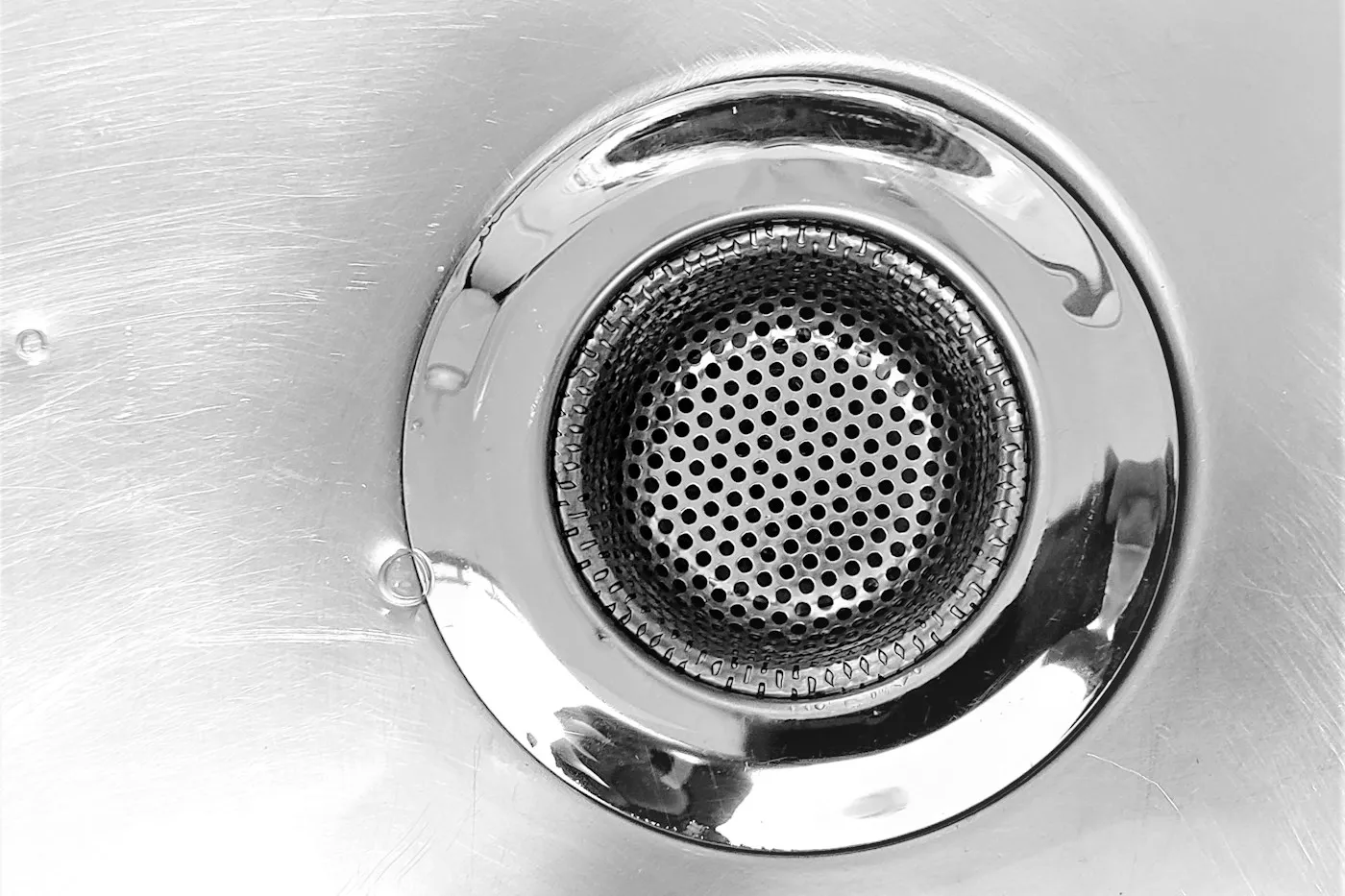
Shower and Tub Drains
In the shower, hair is the main culprit. It mats together with soap scum just under the cover, and bacteria move right in.
- Take the cover off. Many are held by a screw or two, and others pop out.
- Pull the hair out with a plastic drain strip or needle-nose pliers. It's gross, but it's the fix.
- Scrub the cover and the top of the drain, then flush with hot water.
- Tubs with a lever on the overflow plate have a linkage behind it that collects hair too. Take the plate off with a screwdriver and clean it.
- A simple hair trap that sits over the drain keeps it from building back up.
Tiny, fuzzy flies resting on the wall near the drain are drain flies. They breed in the slime inside drains, especially bathroom drains, so scrubbing the drain gets rid of them where bug spray won't. Pouring boiling water or bleach only buys a little time. If the drain itself is loose, cracked or leaking under the floor, that calls for shower and tub repair.
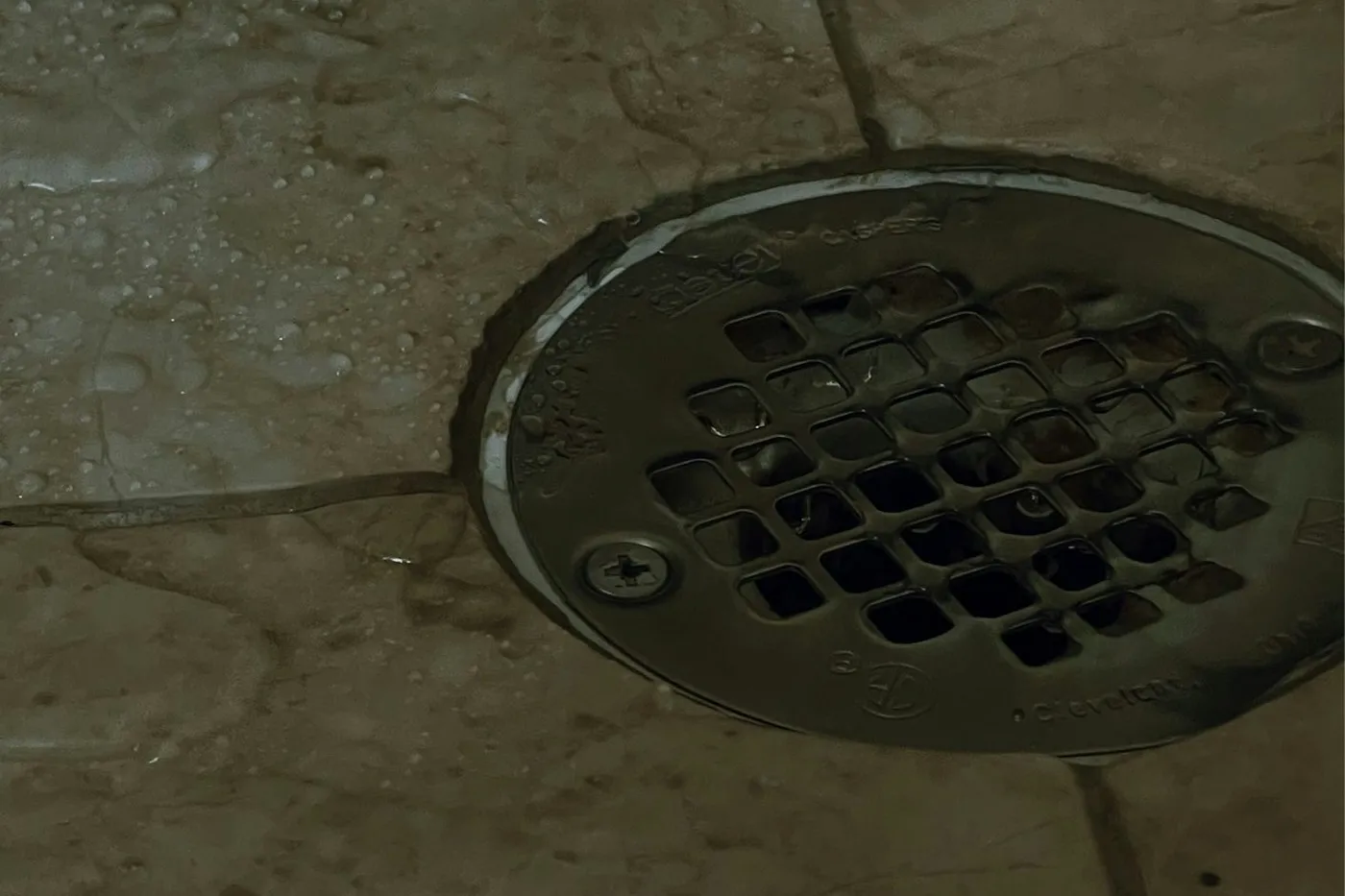
Clean Drain, Still Smells?
Sometimes the drain is clean and still smells like sewer, or the smell comes from a drain nobody uses. That points to sewer gas getting up the pipe, not slime inside it.
- The water in the trap dried up because the sink or shower sits unused.
- The pipe under the sink is the ribbed, accordion-style kind. The ridges catch gunk and hold water, so plumbers replace it with smooth pipe.
- The trap gets sucked dry when another fixture drains, which often comes with a toilet that gurgles and points to a vent problem.
Those causes, and what to do about each, are covered in this guide to why a house smells like sewer.
What Not to Pour Down a Smelly Drain
- Bleach mixed with anything else. Health officials warn that bleach mixed with ammonia makes toxic gas, and bleach mixed with acids, including vinegar and some drain cleaners, gives off chlorine gas. Never mix them, and don't follow bleach with vinegar.
- Harsh chemical drain openers. They rarely fix a smell, they can damage old pipes, and they make the job dangerous for whoever opens the pipe next.
- Grease, coffee grounds or leftover food, especially in a sink without a disposal.
For regular upkeep, an enzyme drain cleaner is the gentle choice. It feeds on the film slowly and is safe for pipes.
If It Keeps Coming Back
- The smell comes back within days of a good cleaning.
- The drain is slow as well as smelly, which points to a clog farther down that drain cleaning clears.
- More than one drain smells, or drains gurgle when others run.
- The trap nuts are cracked, or the pipe under the sink drips.
- The disposal stinks even after cleaning, leaks or hums.
Cleaned it and the smell came right back? Call Plumber Valdosta Fix and say which drain smells and what you've tried. A local plumbing pro can clear it properly, and you can talk over the cost on the call before anyone starts.
Call (229) 544-0276Questions
What People Ask About Drain Smells
Bathroom sinks, vinegar, boiling water, finding the source, drain flies, and keeping drains fresh.
Call (229) 544-0276Why does my bathroom sink smell like a drain?
Usually it's slime growing on the stopper, inside the overflow channel or in the U-shaped trap under the sink. Pull and scrub the stopper, flush the overflow and clean the trap. If the sink rarely gets used, the water in the trap may have dried up, so run it for a minute too.
Can vinegar unclog a sink drain?
Baking soda and vinegar can loosen a light film and freshen a drain, but they won't clear a real clog of hair or grease. A plastic drain strip or a plunger does more. For a stubborn clog, a plumber clears it with a drain snake.
Does boiling water unclog a drain?
It can melt a little grease in a kitchen drain, but it won't move hair, and it's hard on plastic pipe joints and older porcelain. Very hot tap water is the safer choice for regular flushing.
How do I find out where the smell is coming from?
Get close and sniff each drain, including the overflow hole. Then do the glass test to rule out the water itself. If the smell fills the house, or comes from a drain nobody uses, it's more likely sewer gas getting past a trap than gunk in one drain.
What are the tiny flies around my shower drain?
Those are drain flies. They lay their eggs in the slimy film inside drains, most often bathroom drains. Scrubbing that film out is what gets rid of them. Bug spray doesn't, and boiling water or bleach only helps for a little while.
How do I keep my drains from smelling?
Run water in every drain at least once a week, put a hair trap in the shower and a strainer basket in the kitchen sink, and wipe greasy pans before washing them. Clean the stoppers every few months, and use an enzyme drain cleaner now and then to keep the film down.