Toilets and drains
My Toilet Keeps Gurgling. Should I Worry?
A toilet gurgling after a flush, or bubbling while the shower drains, is easy to shrug off. Think of it as a yellow light, though. It usually means air and water can't get past something in the pipes, and catching it early is the difference between a simple fix and a messy backup.
Last updated Published by Plumber Valdosta Fix
What That Glug Actually Means
Drain pipes carry air as well as water. When water rushes down a pipe, air has to move out of its way, and it normally escapes through the vent pipe on your roof. If the pipe is partly blocked, or the vent is plugged, that air takes the next easiest path. Very often, that's straight up through the water in your toilet bowl.
That's the glug you hear, and sometimes you'll see bubbles or the water level in the bowl rock up and down. The toilet isn't the problem. It's just the messenger.
Is It the Tank or the Drain?
First, make sure the noise is coming from the drain. Take the lid off the tank and listen while it refills.
- A gurgle or hiss from the tank while it refills usually comes from the fill valve, the part that lets water back in. Minerals can make it stick and sputter. Make sure the small refill hose is clipped onto the overflow pipe in the middle of the tank, and if the valve keeps acting up, it can be replaced.
- Bubbling in the bowl, especially when another fixture drains, is a drain or vent problem. The rest of this post is about that.
One more toilet-only cause is the little holes under the rim, which can clog with mineral crust and trap air during a flush. A bent wire and a hand mirror let you clean them. If the tank parts or the toilet itself need work, that's regular toilet repair.
Listen for When It Happens
The timing of the gurgle tells you how far down the problem is. Here's a quick test plumbers use. Flush the toilet, then listen at the sink and tub in the same bathroom. If they gurgle too, suspect the vent. If they don't, suspect a partial clog.
- Only when you flush that toilet. The trouble is in the toilet itself or right below it, often a small clog in the bend inside the toilet.
- When the tub, shower or sink next to it drains. They share a drain pipe and a vent. A partial clog in that shared pipe, or a vent that can't breathe, pushes air up through the toilet.
- When the washing machine empties. A washer dumps a lot of water fast. If the main line is narrowed, that rush shoves air back up through the lowest fixtures.
- Every toilet and drain in the house, or water rising in the lowest fixture. Now it's the main sewer line, or the septic tank if you have one.
- After a heavy rain. Rainwater is getting into a cracked line, or the sewer system is overloaded.
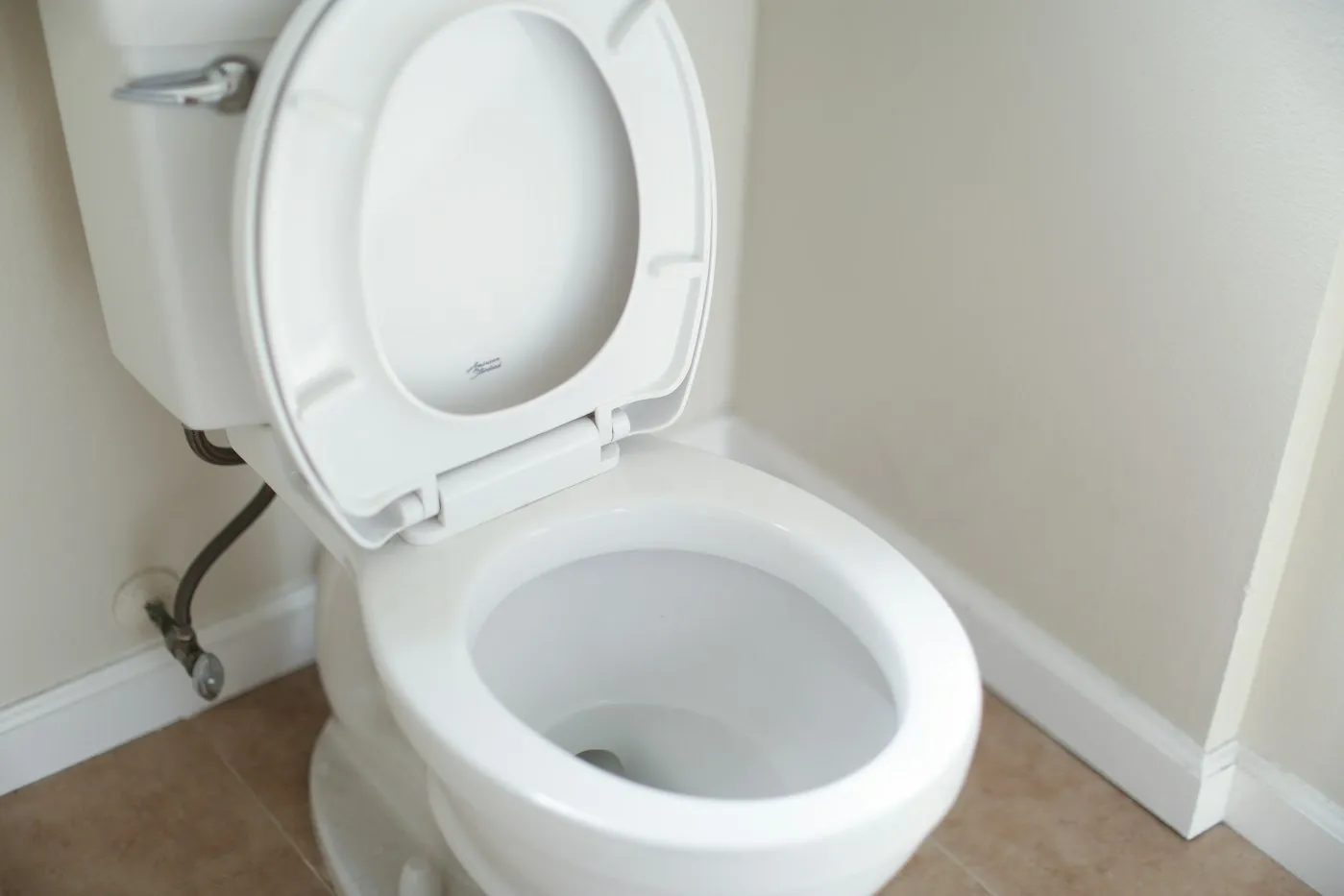
A Partial Clog, Usually Close By
Most of the time, a gurgling toilet means something is narrowing the drain without fully blocking it yet. The usual suspects are too much paper, wipes, a kid's toy or grease from the kitchen that has hardened in the line. Wipes deserve a special mention. Even the ones sold as "flushable" don't break down the way toilet paper does, and they snag and pile up.
- Use a flange plunger, the kind with a soft sleeve that fits into the toilet's drain hole. Push down slowly first to get a seal, then give it a dozen firm pumps.
- If the plunger doesn't clear it, a toilet auger, also called a closet auger, reaches through the bend without scratching the bowl.
- Don't pour chemical drain cleaner into a toilet. It rarely works on these clogs, and it makes the next step dangerous for whoever opens the line.
If plunging fixes the flush but the gurgling comes back, or other drains start acting up, the clog is farther down than a plunger can reach. A plumber clears it with drain cleaning in Valdosta, running a cable through the line from a cleanout.
A Roof Vent That Can't Breathe
Every house has at least one vent pipe sticking up through the roof, usually above a bathroom. Around here, pine straw, oak leaves, bird nests and the occasional squirrel can plug it. When the vent can't let air in, moving water steals air from wherever it can get it, and the water sitting in your toilet bowl and sink traps is the easiest target.
Signs it's the vent include gurgling in several fixtures at once, toilet water that drops lower than normal after it settles, and a whiff of sewer smell once the traps get sucked dry. Some homes also have a small air valve on the drain pipe under a sink, which can wear out and stop letting air in.
Clearing a roof vent means getting up on the roof with a snake or a hose. That's not worth a fall for most people, and a plumber can check the vent with a camera at the same time.
Trouble in the Main Sewer Line
The main line carries everything from your house to the City sewer or your septic tank. When it's narrowed, the whole house feels it. You'll hear gurgling when the washer empties, notice the tub filling a little when someone flushes, or find the lowest fixture in the house slow to clear.
- Tree roots find their way into old clay and cast iron pipes through tiny cracks and joints. In neighborhoods shaded by big oaks, like Wood Valley, roots are one of the most common reasons a main line clogs again and again.
- A sag in the pipe, called a belly, lets waste settle and build up.
- A cracked or crushed section, sometimes from a storm that pulled up a tree, or from digging in the yard.
Many homes have a cleanout outside, a short capped pipe in the yard near the foundation. If you can see down it and there's standing water, the clog is past that point, out toward the street or the tank. Open the cap slowly and stand to the side, since a backed-up line can push water out.
A plumber clears the main with a heavy cable, and a sewer camera inspection shows whether roots, a sag or a break caused it. For roots and grease, hydro jetting scours the pipe walls with high-pressure water. A broken section needs sewer line repair.
After a Heavy Rain
If the gurgling shows up after a big summer storm and fades when things dry out, rainwater is probably getting into a cracked line or an uncapped cleanout and filling it up. It may seem to fix itself, but it's a sign the line has an opening that will keep letting in water, dirt and roots.
If your neighbors' drains are acting up too, or a manhole in the street is overflowing, the problem may be in the City's sewer main. On City sewer, report that to City of Valdosta Utilities.
If the House Is on Septic
Plenty of homes around Valdosta aren't on City sewer. With a septic tank, gurgling plus slow drains all over the house often means the tank is full or its outlet is clogged. A wet, smelly spot over the drainfield points to a bigger problem.
Hold off on laundry and long showers, and schedule septic tank service to have it pumped and checked. A tank that hasn't been pumped in years is the first thing to rule out.
Wait a Day or Call Now?
It can usually wait a day or two if only one toilet gurgles now and then, it still flushes fine, and plunging made it better.
Call now if any of these is happening.
- Flushing or running water makes water rise in a tub, shower or floor drain.
- Several drains are slow or gurgling together.
- The toilet won't flush, or the bowl fills toward the rim.
- There's sewage at the outside cleanout or in the yard.
If it's backing up, stop running water anywhere in the house until the line is cleared. Every flush or shower adds to what has to come back up.
Not sure which kind of gurgle you have? Tell Plumber Valdosta Fix when it happens and what you've tried. A plumbing pro can say whether it can wait, and clear the line if it can't.
Call (229) 544-0276Questions
Still Wondering About the Gurgle?
Whether it's dangerous, clogs that clear themselves, dish soap, washers, two toilets, and cost.
Call (229) 544-0276Is a gurgling toilet dangerous?
The sound itself isn't. What it warns about can be. Gurgling usually comes before a backup, and sewage coming up into a tub or onto a floor is a real health and cleanup problem. Treat it as an early warning and deal with it while it's still just a noise.
How long will a clogged toilet take to unclog itself?
A soft clog of toilet paper sometimes breaks down within a few hours. Wipes, paper towels and toys don't break down at all. If the toilet is gurgling, water and air are already fighting past something, and waiting usually gives it time to grow.
Can dish soap unclog a toilet?
A good squirt of dish soap followed by a bucket of hot tap water can help loosen a soft clog. It won't dissolve wipes or solid objects, and it can't reach a main line clog or a blocked roof vent. Skip boiling water, which can crack the porcelain.
Why does my toilet gurgle when the washing machine drains?
A washer pumps out a lot of water in a short time. If the main line is partly blocked, that water backs up and pushes air through the toilet, since it's often the lowest, widest opening nearby. It's one of the clearest early signs of a main line clog.
Why does one toilet gurgle when another one is flushed?
The two toilets drain into the same pipe and share a vent. When the flushed water can't move freely, it pulls or pushes air through the other toilet's water. A partial clog past where their pipes meet, or a blocked vent, is the usual reason.
What does it cost to fix a gurgling toilet?
That depends entirely on the cause. Clearing a clog in the toilet itself is a small job. Cleaning the main line costs more, and a camera look or a broken pipe adds to it. Ask on the call how the work is priced. A simple clog can often be priced over the phone, while a main line usually needs a look first.