Storms and outages
Your Plumbing Before and After a Hurricane
When Hurricane Helene knocked out power across Valdosta in September 2024, homes on wells lost their water too, and downed trees tore up yards with pipes buried in them. A little work before the next storm makes the days after it much easier. Knowing what to check with your plumbing after the hurricane moves through can also keep a small problem, like a backed-up drain or a cracked line, from turning into a big one.
Last updated Published by Plumber Valdosta Fix
Before the Storm Gets Here
Most of this takes an afternoon, and it's easiest while the sky is still clear.
- Find your main water shutoff and make sure it turns. If a pipe breaks while trees are still coming down, you won't want to be hunting for it.
- Store drinking water. Ready.gov suggests at least a gallon per person per day for several days, and more in a South Georgia September.
- Fill the bathtub. Tub water won't be for drinking, but a bucket of it flushes a toilet when the taps stop.
- On a well, fill every jug and pot you have before the power goes. The pressure tank only holds a few gallons once the pump stops.
- If you plan to use a generator, have the transfer switch put in by an electrician ahead of time, and make sure the generator is big enough to start a well pump if you have one.
- Know where your sewer cleanout is. It's a short pipe with a screw cap, usually close to the house, and it's the first place a plumber looks when drains back up.
When the Power Goes Out
What a long power outage does to your plumbing depends on where your water comes from and where it goes.
- City water. It keeps flowing in most outages. During Helene, the City of Valdosta said its water service wasn't interrupted at all.
- Wells. No power means no pump, and no pump means no water once the pressure tank runs dry. Save what's left for drinking, and flush with tub water.
- Septic with a pump or aerator. Those parts stop with the power. Use as little water as you can, and expect the alarm to sound for a while once the power is back. It often clears when the pump catches up. If it doesn't, that's septic tank repair.
- Water heaters. An electric tank stops heating, though the water stays warm for a while. A standard gas water heater with a pilot light keeps working. Tankless and power-vent gas models need electricity, so they stop too.
Run a generator outside only, at least 20 feet from doors, windows and vents, as the CDC advises, and keep a battery carbon monoxide detector going inside. Never plug a generator into a wall outlet to power the house. That can send electricity back down the lines and hurt the crews working to restore it.
Flooding and Your Septic or Well
If floodwater reached your well, don't drink from it, even if the water looks clear. Floodwater can carry sewage and chemicals into the well. The City told well owners the same thing after the April 2024 floods, to have the water tested and the well disinfected, and the county health department can help with testing. A pump that got wet may need well pump repair before it runs again.
If the yard over your septic system is flooded, the drainfield can't take any more water. Use as little as you can, skip laundry, and wait for the ground to drain. Hold off on pumping the tank too, because an empty tank can shift or even float in saturated ground.
Sewer Backups in Heavy Rain
Sewer pipes aren't supposed to carry rainwater, but in a big storm it seeps in through cracks, loose joints and manhole lids until the pipes are full. In November 2024, after 17 inches of rain in two days, with Helene's debris still blocking storm drains, the City said its sewer system was overwhelmed and overflowed out of manholes in several neighborhoods.
Inside a house, the lowest drain backs up first, often the bathtub or a shower. If you see water rising there, stop using water everywhere, including the washer and dishwasher. When the neighbors are fine and only your drains back up, your own line may be cracked or blocked, which calls for sewer line repair in Valdosta. For homes that back up again and again, a plumber can add a backwater valve, a one-way flap that lets waste out and keeps it from coming back in.
Trees Down Over Buried Lines
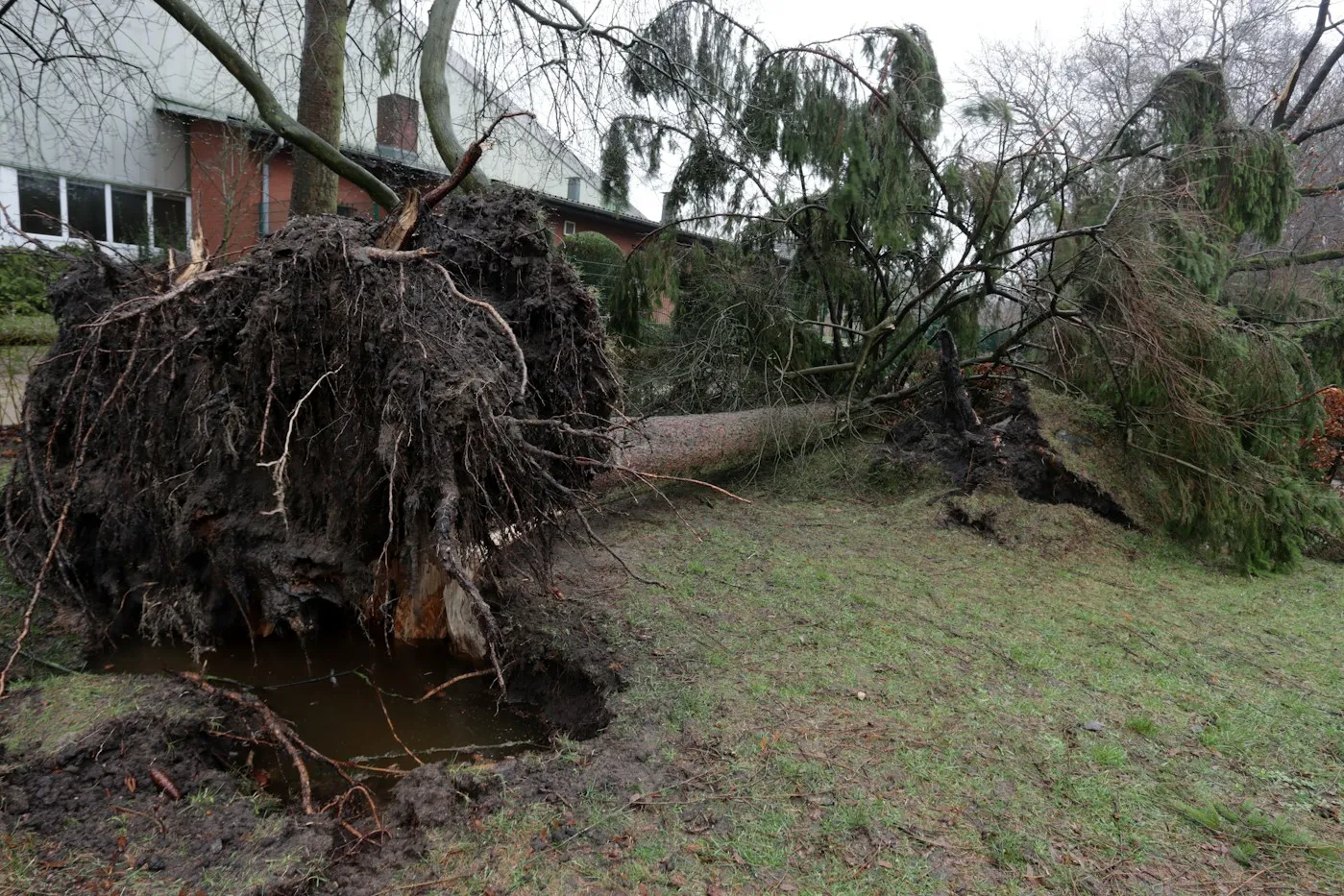
When a big tree topples, the roots tear up whatever was buried around them, including your water line and sewer line. The damage doesn't always show right away.
- A spot in the yard that stays wet and never dries, or water bubbling up near the street.
- Weak water pressure that wasn't there before the storm.
- Sinks, tubs and toilets all draining slowly at once, or the yard smelling like sewage.
A broken supply line calls for water line repair. Before anyone grinds the stump or digs out the roots, ask whoever does the digging to call 811 so the utility lines get marked. It won't mark your private water and sewer lines, so point those out yourself.
Water Heaters and Fixtures That Sat in Floodwater
Don't turn on a water heater that was under water, gas or electric. Water ruins the gas controls, the burner, the heating elements and the insulation inside, and even one that seems to work afterward isn't safe to trust. In most cases the answer is replacing the water heater. Have any gas appliance that got wet checked before it's lit again.
Sinks, tubs and toilets that floodwater reached need a good scrub and disinfecting, and drains can hold mud that slows them for weeks. Run plenty of water through them once the house is dry, and call if they stay sluggish.
If a Boil Water Notice Goes Out
Follow it until it's lifted. Bring water to a rolling boil for one full minute, as the CDC and Ready.gov advise, and let it cool. Use boiled or bottled water for drinking, cooking, brushing teeth, ice and baby formula. Showering is fine as long as you don't swallow the water. Off City water, the rules come from your water company, or from you if the well is yours, and it's worth reading up on whether the tap water is safe in normal times too.
Hiring Help After the Storm
Storms bring out people who knock on doors with a truck and a deal. The City's own advice after Helene was to avoid anyone who wants full payment up front, takes only cash or won't write up a contract, to be careful with door-to-door offers, and to call your insurance company before you agree to any repairs.
It takes two minutes to check the license of any plumber who shows up. And if sewage is coming up or a line has broken, don't wait for things to settle. Emergency plumbing is there day or night.
After a storm, tell Plumber Valdosta Fix where your water comes from, where it drains to, and what you're seeing. A plumbing pro can sort out what needs help today and what can wait for the power to come back.
Call (229) 544-0276Questions
Storm Season Plumbing Questions
Flushing without power, water heaters, drinking water, flooded septic, sewer backups and storing water.
Call (229) 544-0276Can I flush the toilet when the power is out?
On City water and sewer, yes, as usual. On a well, pour a bucket of water into the bowl and it will flush. On a septic system with a pump, flush only when you need to until the power comes back, since the pump can't move what's in the tank.
Will my water heater work without power?
A standard gas water heater with a pilot light will. Electric, tankless and power-vent models won't, though a full tank keeps water warm for several hours.
Is it safe to drink tap water after a hurricane?
On City water, yes, unless the City puts out a notice saying otherwise. During Helene, the City said its water service had no interruptions. A well that floodwater reached is different. Don't drink from it until it's been tested and disinfected.
What should I do with a flooded septic system?
Use as little water as you can until the yard drains, and wait to have the tank pumped until the ground dries, since an empty tank can shift. If drains stay slow once things dry out, have the system checked.
How do I keep sewage from backing up into my house?
A backwater valve on your sewer line is the best protection. In heavy rain, cut back on water use if the lowest drain starts to gurgle. A gurgling toilet after a storm is often the first warning.
How much water should I store for a hurricane?
At least a gallon per person per day for several days, which is what Ready.gov suggests. If you're on a well, store extra for flushing, or fill the tub before the storm.